How to Choose a Watch Case Size | Differences Between 34, 36, 38, 40, and 42 mm and the Size That Fits Your Wrist
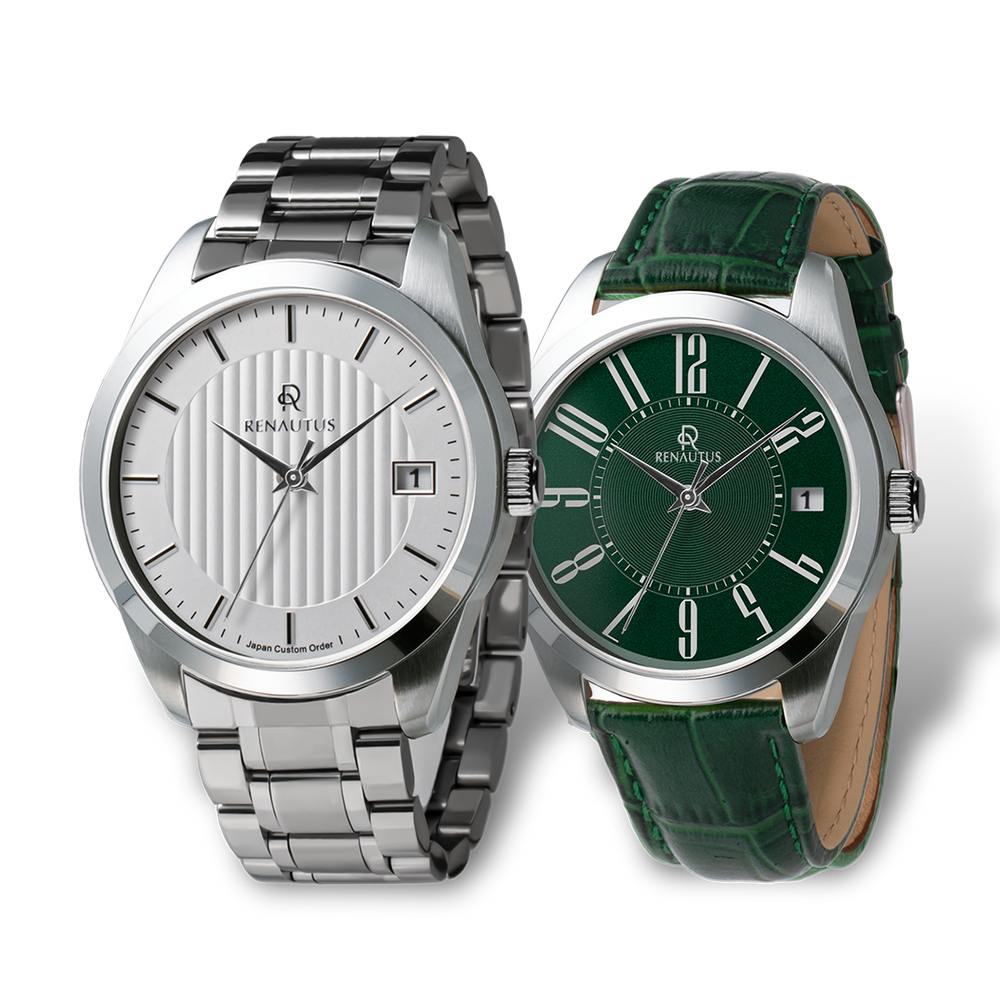
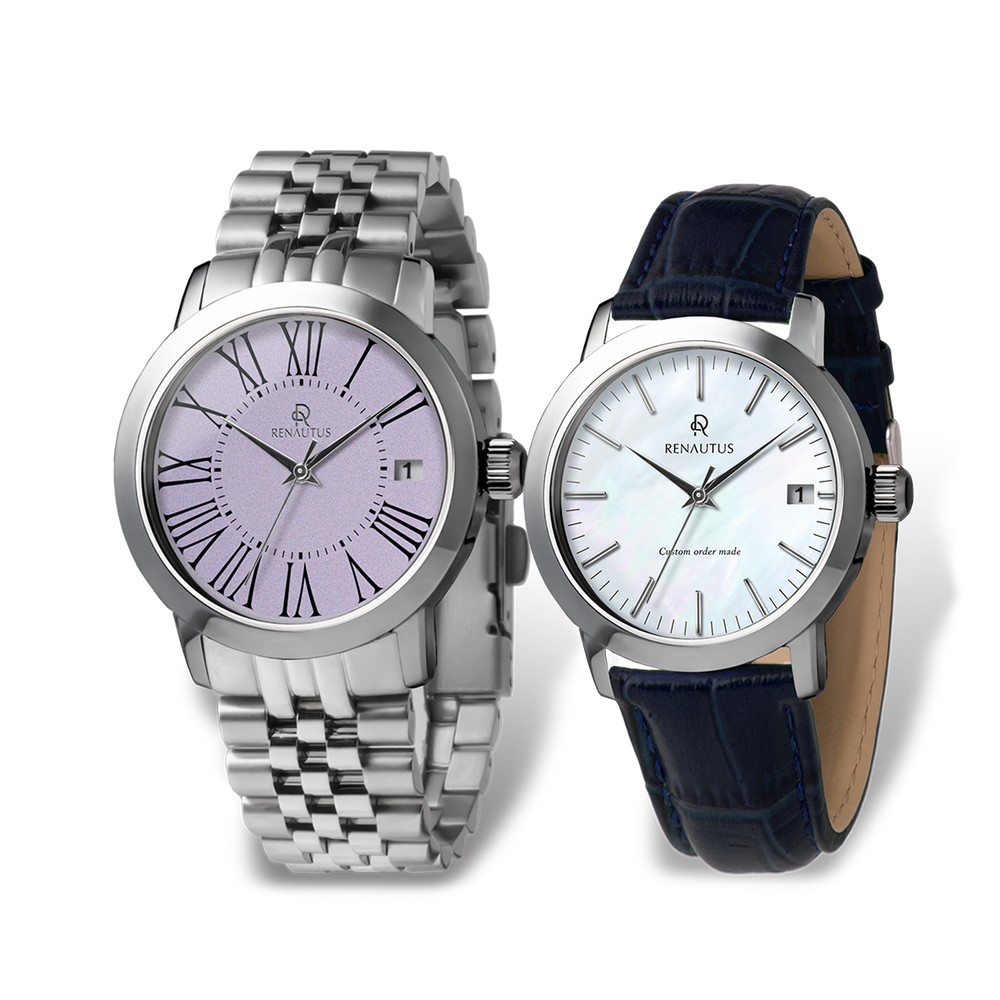
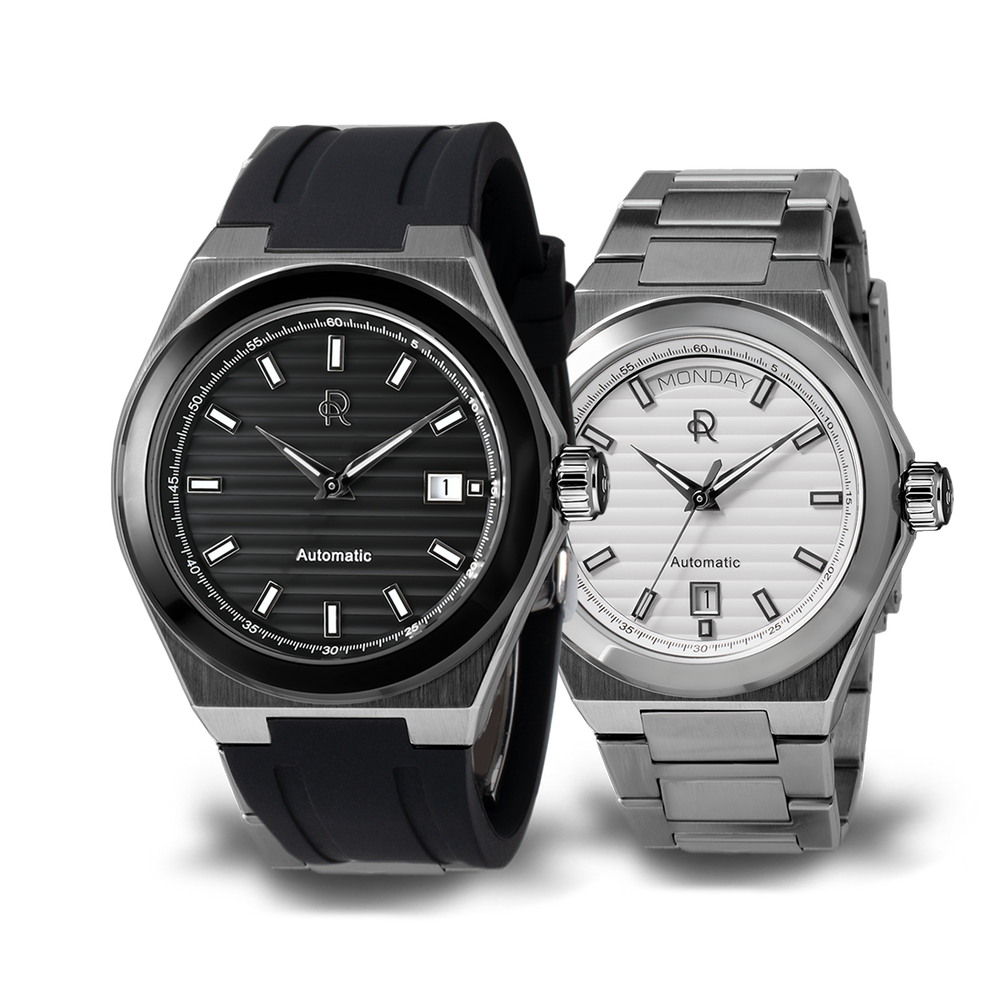
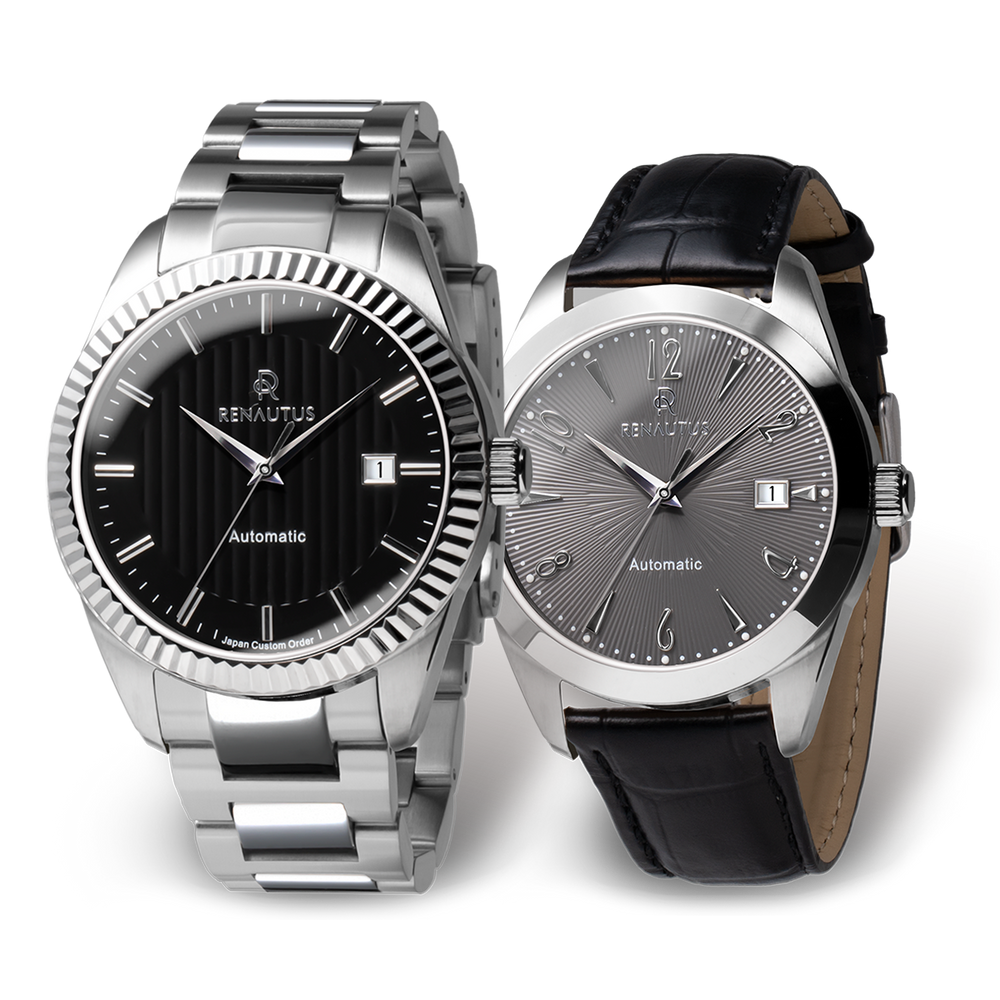
When choosing a wristwatch, size is often a difficult decision alongside dial color and strap material. Product pages list sizes such as “34mm” and “40mm,” but it can be hard to imagine how a difference of just a few millimeters will look on your wrist. This article explains how to interpret case diameter measurements and how to determine the right size for your wrist, using Renautus models as examples.
What case diameter measures
Case diameter is the diameter of the watch case when viewed from directly above. Generally, this measurement excludes the crown. It is not the size of the dial itself, but rather the overall dimension including the bezel that surrounds the dial.
Even with the same case diameter, a watch with a narrow bezel makes the dial appear larger and gives the watch a bigger overall impression. Conversely, a watch with a wide bezel makes the dial appear more compact. Think of the measurement as just one guideline, and also consider the proportion of the dial to the bezel in photos to help minimize any difference between your expectations and the watch when it arrives.
How a few millimeters can change the look on your wrist
A two-millimeter difference may seem small, but because a wristwatch is highly visible, it can clearly change the overall impression. Generally, the following trends apply:
- Smaller (around 34–36 mm): This size blends well with the wrist and fits easily under shirt cuffs. It creates an elegant, understated impression.
- Medium (around 38–40 mm): This size offers a good balance between dial readability and how well the watch fits the wrist, making it easy to wear for both work and weekends.
- Larger (42 mm or more): This size has a strong presence on the wrist and makes the dial color or pattern the focal point. It also looks great with more casual outfits.
There is no single right answer; the size you choose depends on how you want the watch to look. Do you want to wear it discreetly, or do you want to showcase the dial design? Deciding on a general direction first will make it easier to choose.
Thickness and strap also affect the look
Case thickness affects the overall impression as much as case diameter. A thin watch is less likely to catch on shirt or sweater cuffs and has a sleeker appearance. Generally, battery-powered quartz watches are easier to make thin, while mechanical watches with layered components tend to be thicker.
The type of strap also changes the look. A metal bracelet makes the entire watch look larger and more substantial, while a leather strap creates a lighter impression. Even with the same case diameter, simply changing the strap can change how substantial the watch looks on your wrist.
Determine if it fits your wrist by looking at the “end of the lug”
Another important factor in choosing a size is the lug. Lugs are the arms extending up and down from the case where the strap is attached. When you wear the watch, a clear guideline for determining whether it fits is whether the ends of the top and bottom lugs extend beyond the width of your wrist.
If the ends of the lugs fit within the width of your wrist, the strap will follow the wrist at a natural angle, making the watch more comfortable and visually balanced. If they extend beyond the wrist, the strap may sit away from the wrist, making the watch easier to move side to side and giving it an oversized appearance. Even with the same case diameter, the length and shape of the lugs affect the width of the wrist they suit, so it is worth keeping this in mind along with the diameter measurement.
Measure your wrist width and circumference
Even if you do not have a watch to try on, you can get a rough idea by following these steps.
- Wrap a long, narrow strip of paper around your wrist near the wrist bone, mark where it meets, and measure the length.
- Look at your wrist from directly above and measure its width with a ruler.
- If you have a watch you wear regularly, check its case diameter and where the ends of the lugs sit when you wear it.
The circumference is useful when considering strap length, while the wrist width helps determine the appropriate case size. If your current watch feels “a little large” or “just right,” that is the most reliable standard. From there, you can decide whether to choose one two millimeters larger or smaller.
Comparing case diameters of Renautus models
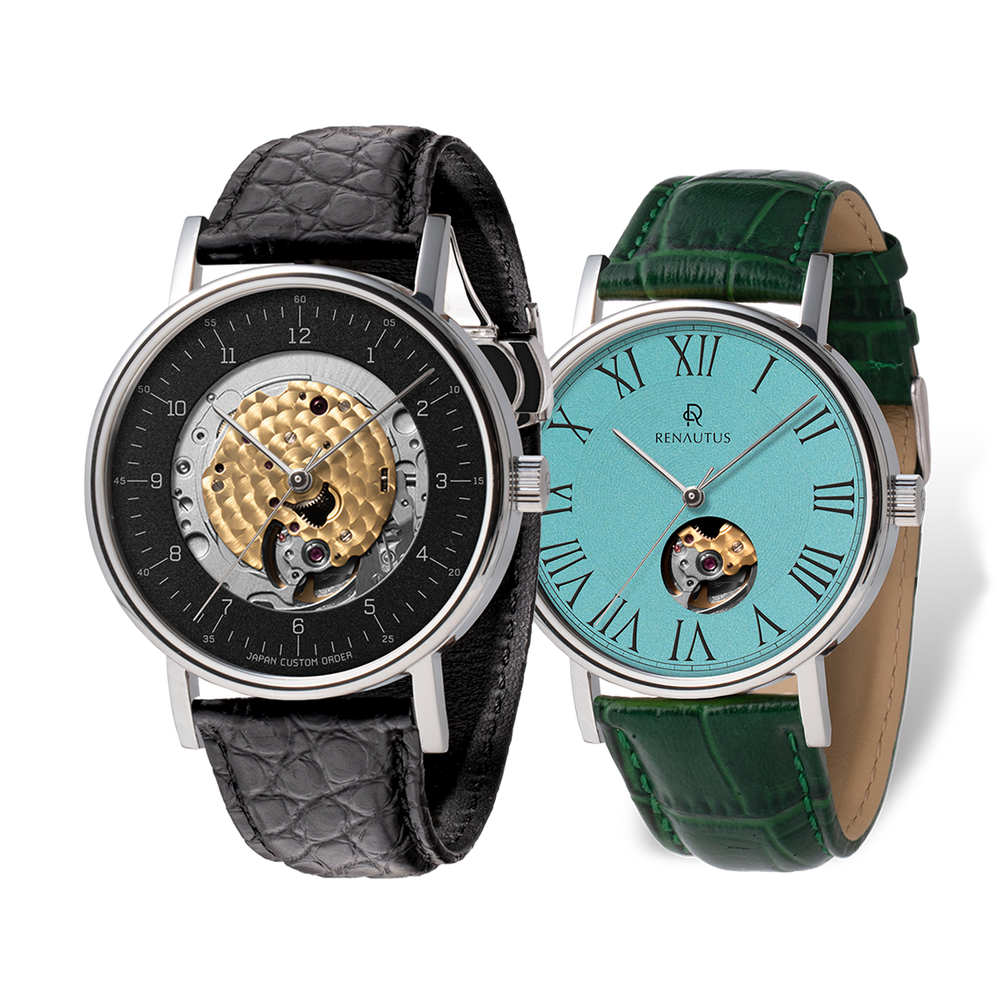
Renautus offers several case diameters ranging from 34 mm to 45 mm. The sizes listed on each product page are as follows:
| Model | Case diameter | Movement and features |
|---|---|---|
| Classic Quartz 34 | 34 mm | Quartz. Thin and lightweight for a comfortable fit |
| Standard Quartz Slim 36 | 36 mm | Quartz. Thin 5 mm design |
| Standard Automatic 38 | 38 mm | Mechanical (MIYOTA 90S5) |
| Classic Quartz 40 | 40 mm | Series available with either quartz or automatic movements |
| Classic Automatic 40 | 40 mm | Mechanical (Swiss-made Sellita SW200-2) |
| A904 Super Stainless Steel Model | 42 mm | Mechanical. Super stainless steel (904L) |
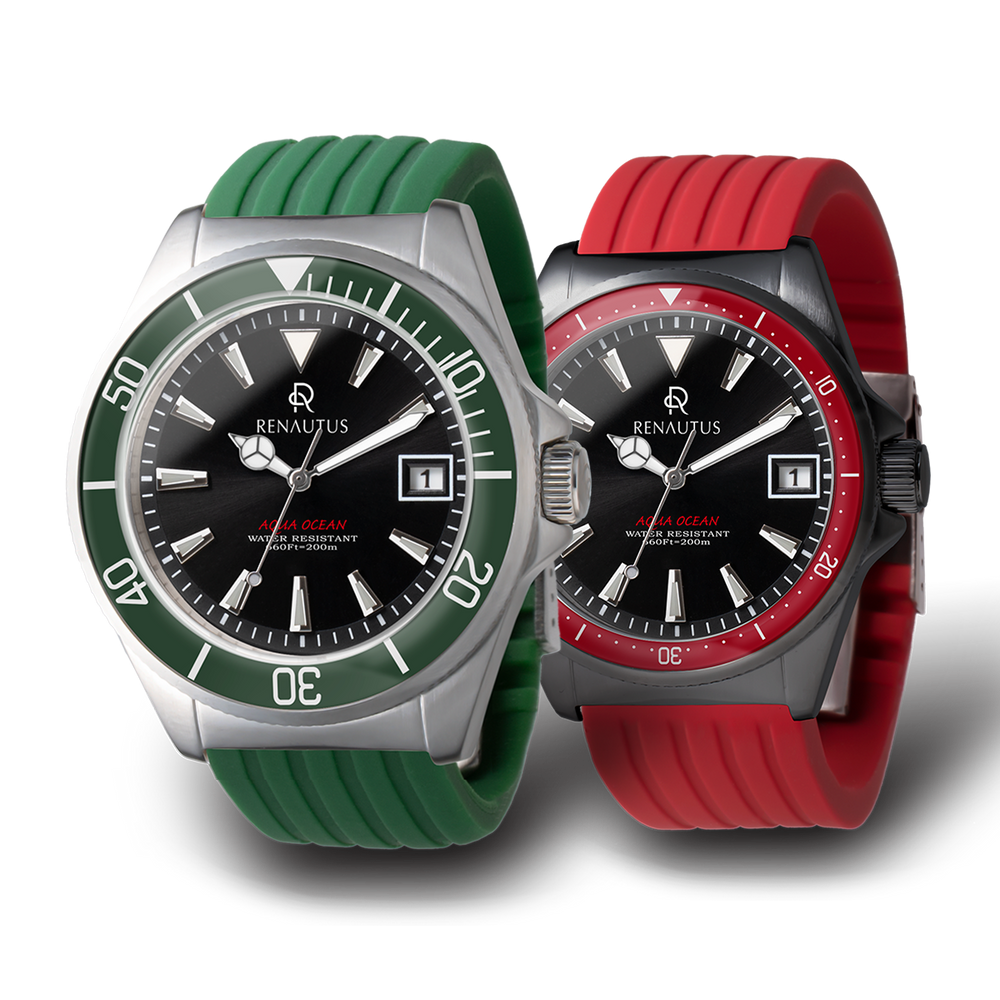
| Aqua Ocean | 42 mm and 45 mm | Available with either quartz or automatic movements. Water-resistant to 20 atm |

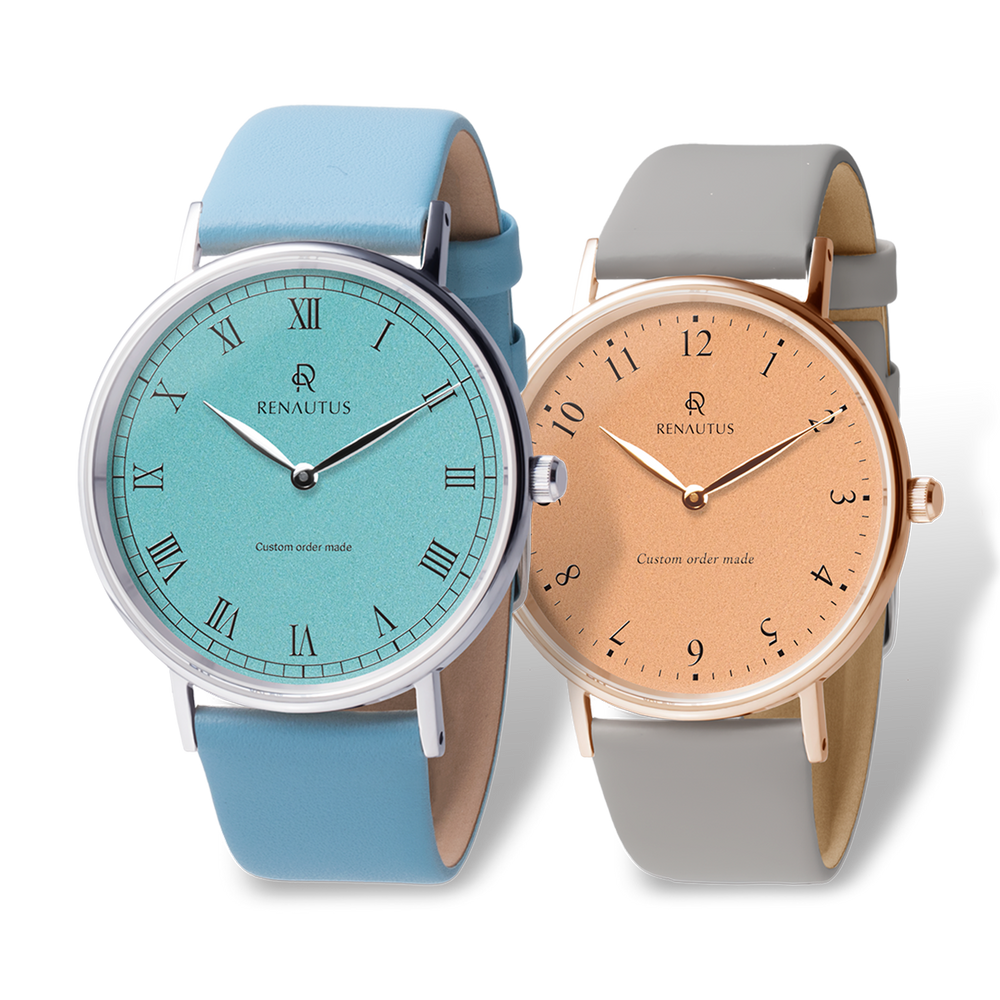
The 34 mm and 36 mm sizes fit well on narrower wrists and are small enough to peek out discreetly from under a sleeve. The Slim 36’s 5 mm thickness fits well under jacket and sweater sleeves, making it an easy size to wear for everyday work.
The 38 mm and 40 mm sizes offer a good balance between readability and how well they fit the wrist, making them easy to use as a standard when you are unsure. If you are choosing a mechanical watch for the first time, you may want to start with one of these sizes.

The A904 and Aqua Ocean models, at 42 mm or more, have a strong presence on the wrist. They are ideal for those who want the dial pattern or case finish to be the focal point, or who want to match them with active weekend outfits.
Summary
- Case diameter is the diameter of the case excluding the crown. The width of the bezel also affects how large the watch looks.
- Smaller sizes are understated and elegant, while larger sizes make the dial the focal point. First, decide how you want the watch to look.
- Thickness and strap type also affect the look and fit.
- Determine whether the watch fits your wrist by checking whether the ends of the lugs fit within the width of your wrist.
- Measure your wrist circumference and width, and use the “just right” feel of your current watch as a standard.
In addition to case size, Renautus allows you to design and combine the dial, hands, and strap. If you are unsure about choosing a size, you can also consult a watch coordinator at one of our directly operated custom shops in Nara, Osaka, or Tokyo. December 7 marks “Daizetsu,” one of the 24 solar terms, and you will increasingly wear clothes with thicker cuffs. Why not look for the perfect watch for your wrist while also considering your winter outfits?
You can view the details of each model here.