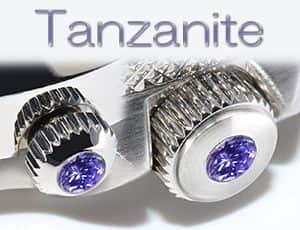
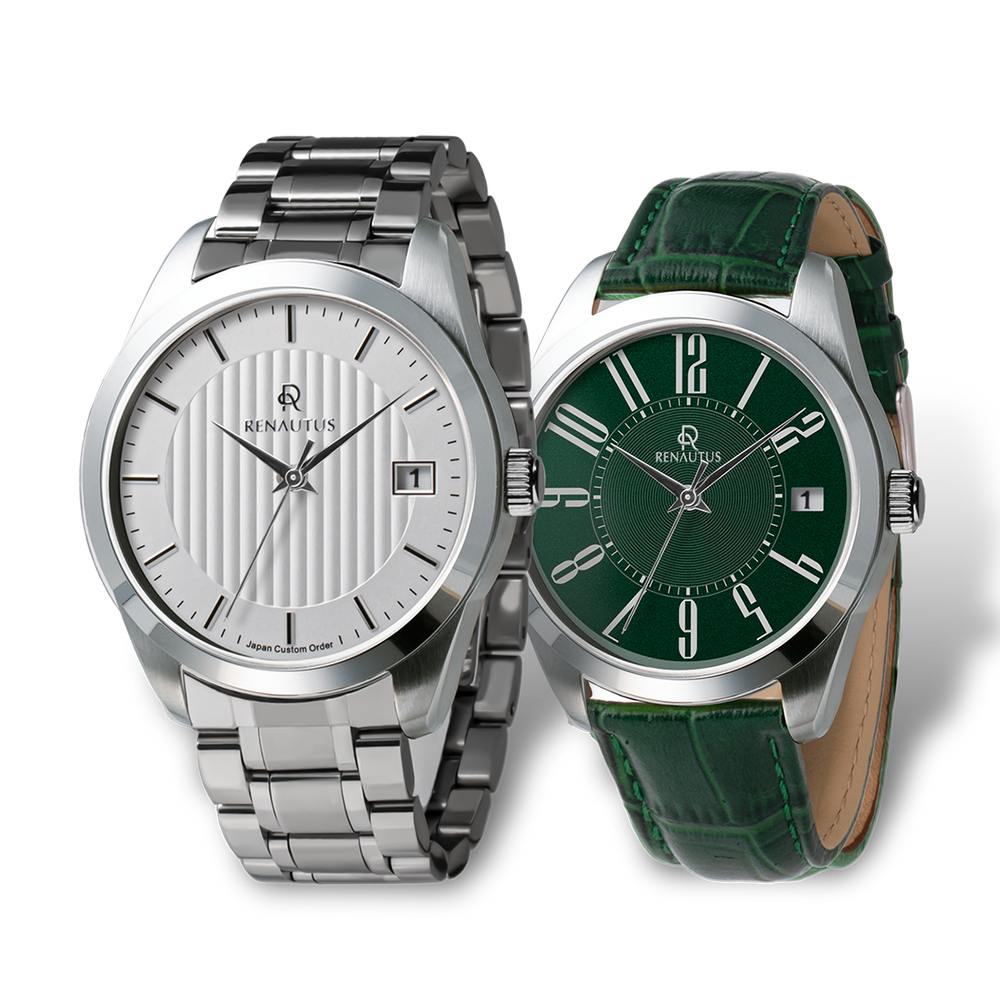
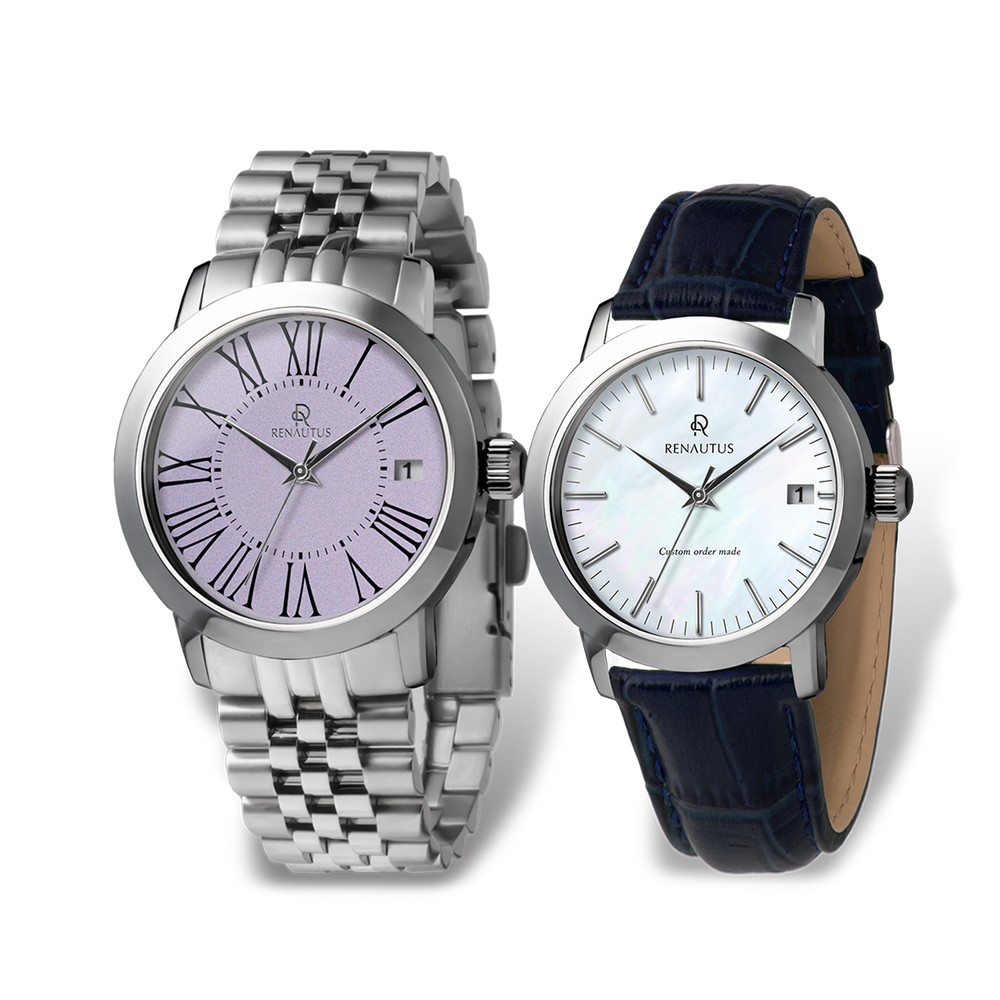
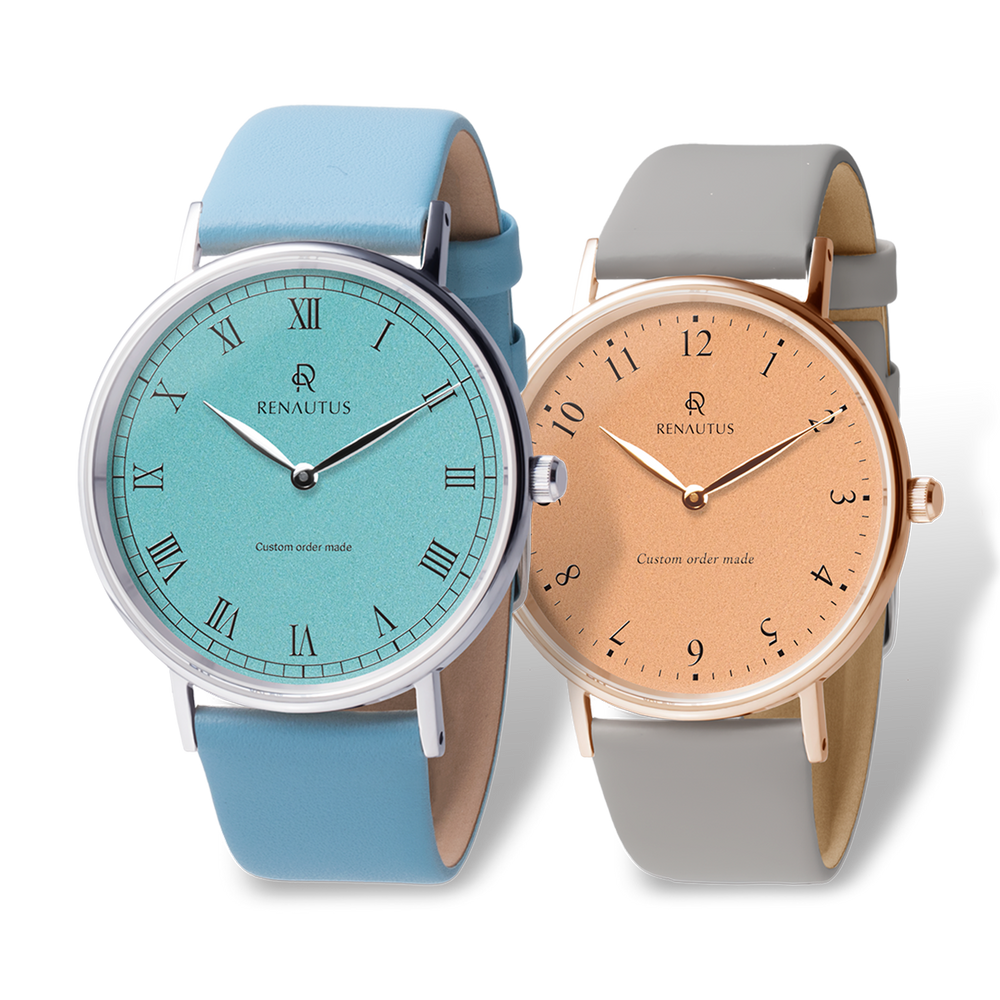
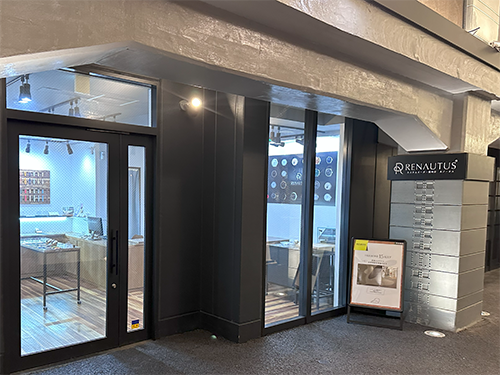
In Japan, the 16th wedding anniversary is known as the topaz anniversary, and topaz accessories or watches are given. Since Renautus also receives orders for topaz anniversary gifts, we will explain more about topaz.
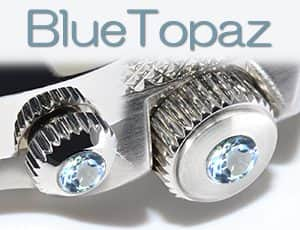
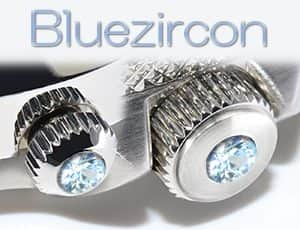
Topaz (TOPAZ), which is also November's birthstone, is said to have originated from the name of the region where it was produced at the time (St. John's Island), which was often covered in fog, making it difficult to find. It is said that the name Topaz came from Topazos, meaning "to search" in Greek. Its main production areas are currently most famous in Brazil, but it is also produced in Pakistan and Russia. The blue topaz used in Renautus watches is also sourced from Brazil.
Topaz has a hardness of 8 on the Mohs hardness scale*, which is considered very high for a mineral. However, it has a characteristic known as cleavage, meaning it can split easily in one direction, and there is a risk of it breaking due to temperature changes or vibrations. Therefore, cleaning it in an ultrasonic cleaner or similar device is considered dangerous. It also has relatively good resistance to light, but it may change color if exposed to sunlight or heat for extended periods, so caution is required.
*Mohs hardness scale... A scale used to evaluate the hardness of minerals. Hardness ranges from 1 to 10, with higher numbers being harder. 10 is considered the hardest mineral on Earth, "diamond". At hardness 1 is muscovite, which can be scratched with a fingernail.
Topaz was also discovered in Gifu Prefecture, Japan, during the Meiji era. However, at that time, it was difficult to distinguish topaz from crystal, and it is not certain whether the specimens found then were topaz. At that time, topaz was called "ougyoku" in Japan.
It is also produced in other prefectures such as Shiga and Mie.
Blue topaz is the most popular type of topaz, but depending on the intensity of the blue, there are sky blue topaz, Swiss blue topaz, which is slightly darker than sky blue, and London blue topaz, which is the deepest and most expensive.
Renautus uses blue sky topaz.
White topaz is colorless and transparent, and is very similar to crystal, so it can sometimes be mistaken for it. Rather than being used as is, it is often used as a base color that is artificially colored through heat treatment.
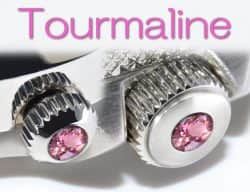
There are untreated stones that remain in their natural state and heat-treated stones whose color has been artificially altered. Most pink topaz is heat-treated to create a pink color by utilizing the color change that topaz undergoes when heated. While untreated pink topaz does exist, it is extremely rare.
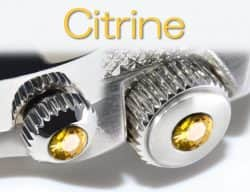
This topaz has a pale yellow color, but unlike pink topaz, it is not heat-treated, and most of it is untreated.