Tips for Long-Term Use of Automatic Watches | Reasons They Stop, Winding, and How to Reset the Time When They Stop
The mornings and evenings are getting colder, and the season of autumn leaves is beginning. You may also find yourself showing your wristwatch from your jacket cuff more often.
By the way, I often hear this from owners of automatic watches: “It had stopped when I tried to wear it over the weekend,” or “I thought it was broken.” Actually, this is perfectly normal for an automatic watch. Knowing how it works will help you stay calm when you find it stopped. Here are some tips for enjoying your automatic watch for a long time.
How the movement of your arm winds the mainspring
An automatic watch is powered by a mainspring, not a battery. On one side of the case back is a semi-circular weight called a rotor. Every time you move your arm, it rotates and gradually winds the mainspring. The power from the wound mainspring slowly unwinds to move the gears and hands.
If your watch has a see-through case back, you can watch the rotor spin as you tilt your wrist. It keeps time without a battery, powered by the wearer’s movements. That is the unique appeal of an automatic watch.
It’s not a malfunction, but a “run-down mainspring”
The power stored in the mainspring is limited. If you take the watch off and leave it, the winding stops and the mainspring gradually unwinds, eventually causing the hands to stop. Most automatic watches will stop after being left off the wrist for about one to two days.
Also, on days when you wear it for a short time or do desk work without moving your arm much, the winding may not keep up. Once the watch has stopped, it will start again after you wind the mainspring. You can rest assured that it is not broken.
How to restart a stopped watch and set the time and date
When restarting a stopped watch, it is best to follow these steps.
- Wind the mainspring: For watches with a hand-winding function, push the crown in and turn it slowly to wind it. For watches without a hand-winding function, hold the watch in your hand and gently swing it from side to side to rotate the rotor.
- Confirm that the second hand has started moving: It may stop again quickly if you only wind it a little, so wind it sufficiently.
- Set the time and date: Pull out the crown to set them, then push it firmly back in (be sure to screw it in if it has a screw-down crown).
For watches with a date display, you should pay attention to the time of day when setting the date. In many models, the mechanism that changes the date automatically operates between around 9 p.m. and 3 a.m. Advancing the date during this time can put strain on the parts. For safety, first turn the hands to a time outside this period, set the date, and then set the time. For detailed procedures and times, please also check your watch’s instruction manual.
The charm of mechanical watches is their slight inaccuracy
Mechanical watches are generally more prone to time drift than battery-powered quartz watches, typically gaining or losing a few seconds to dozens of seconds a day. The rate of drift also changes slightly depending on temperature fluctuations, the position of your arm while wearing it, and how much the mainspring is wound.
If you make it a habit to synchronize it with a time signal or your smartphone once a week, you will rarely face any inconvenience in daily life. We hope you will enjoy the precision that changes slightly every day as proof that a tiny machine is working on your wrist.
Three things to keep in mind for long-term use
- Keep it away from magnets: Placing it near a smartphone or the magnetic clasp of a bag can magnetize the parts that regulate the mainspring’s power, causing the time to drift significantly. It is a good idea to decide on a safe place to keep your watch when you take it off. How to handle your watch in winter is also introduced in How to Care for Your Watch in Winter.
- Avoid strong impacts: Because it contains precision parts, take it off when dropping it or playing sports that involve strong vibrations, such as golf or tennis.
- Have it inspected every few years: The oil inside gradually deteriorates over time. If you notice a sudden increase in time drift or find that it stops more easily, it may be time to consider a disassembly cleaning (overhaul).
If you have several days in a row when you do not use it, you can also use a dedicated stand (winding machine) that automatically rotates the watch to maintain its power. However, this is not essential. Even if you simply wind it again when it stops, you will not damage the watch.
Renautus Automatic Models

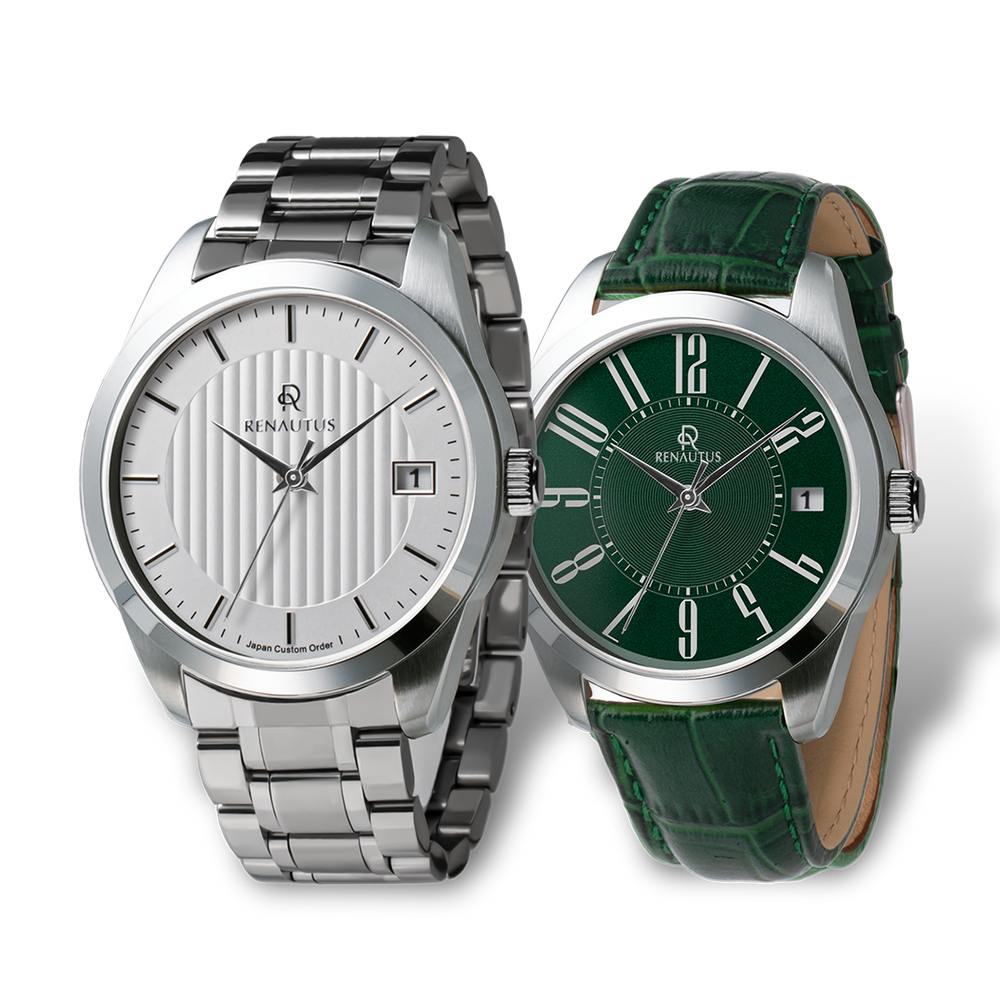
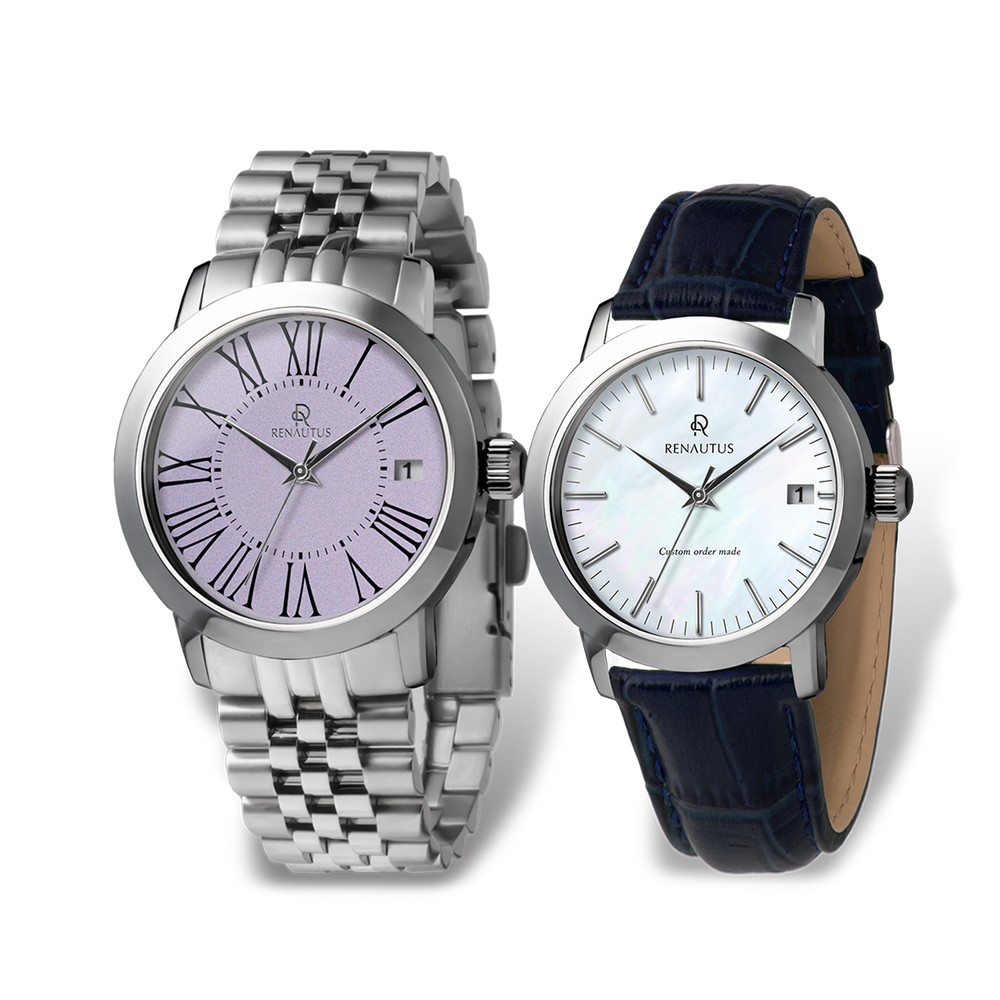
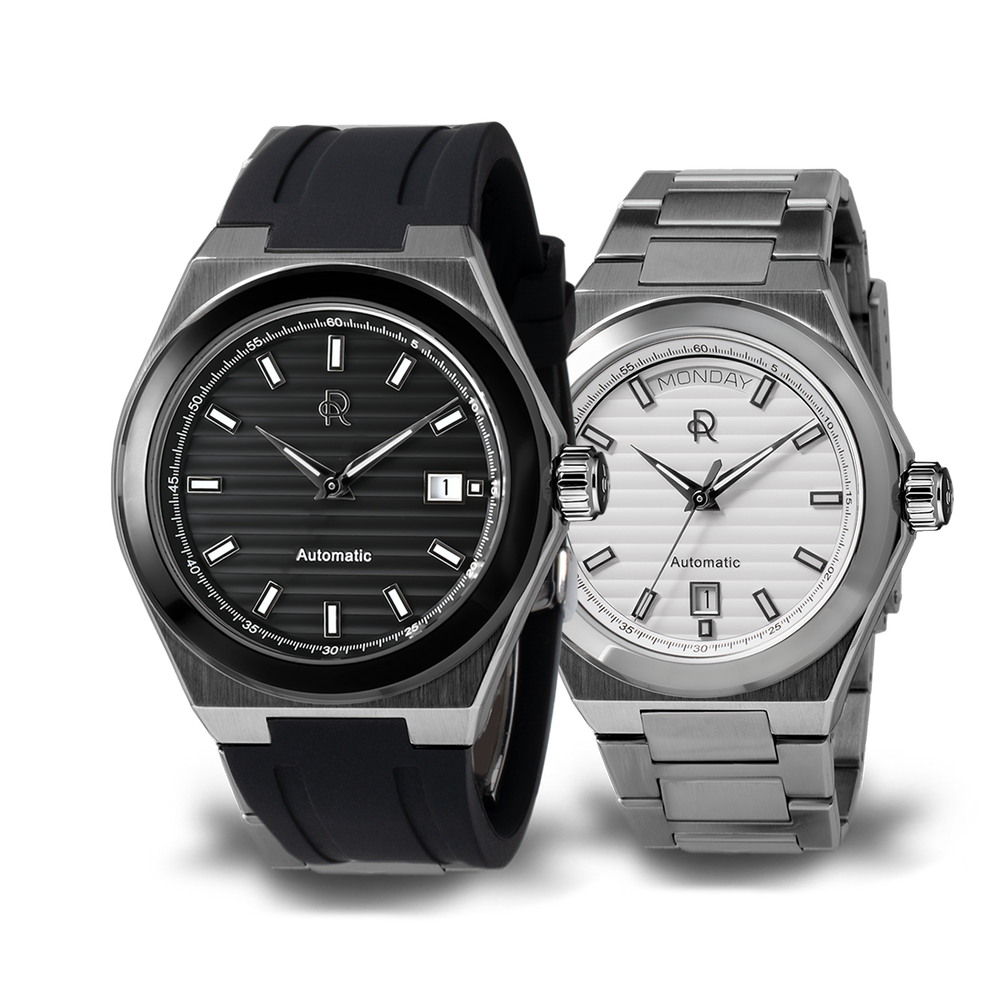
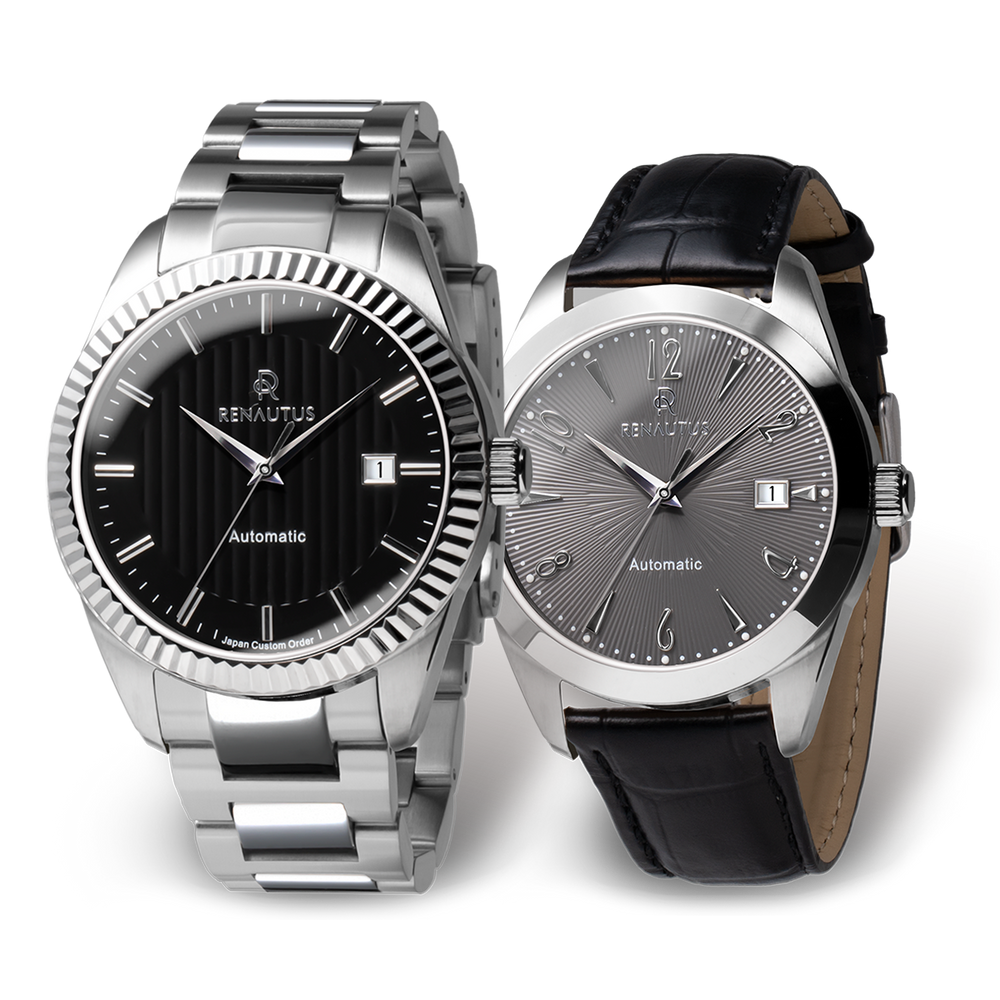
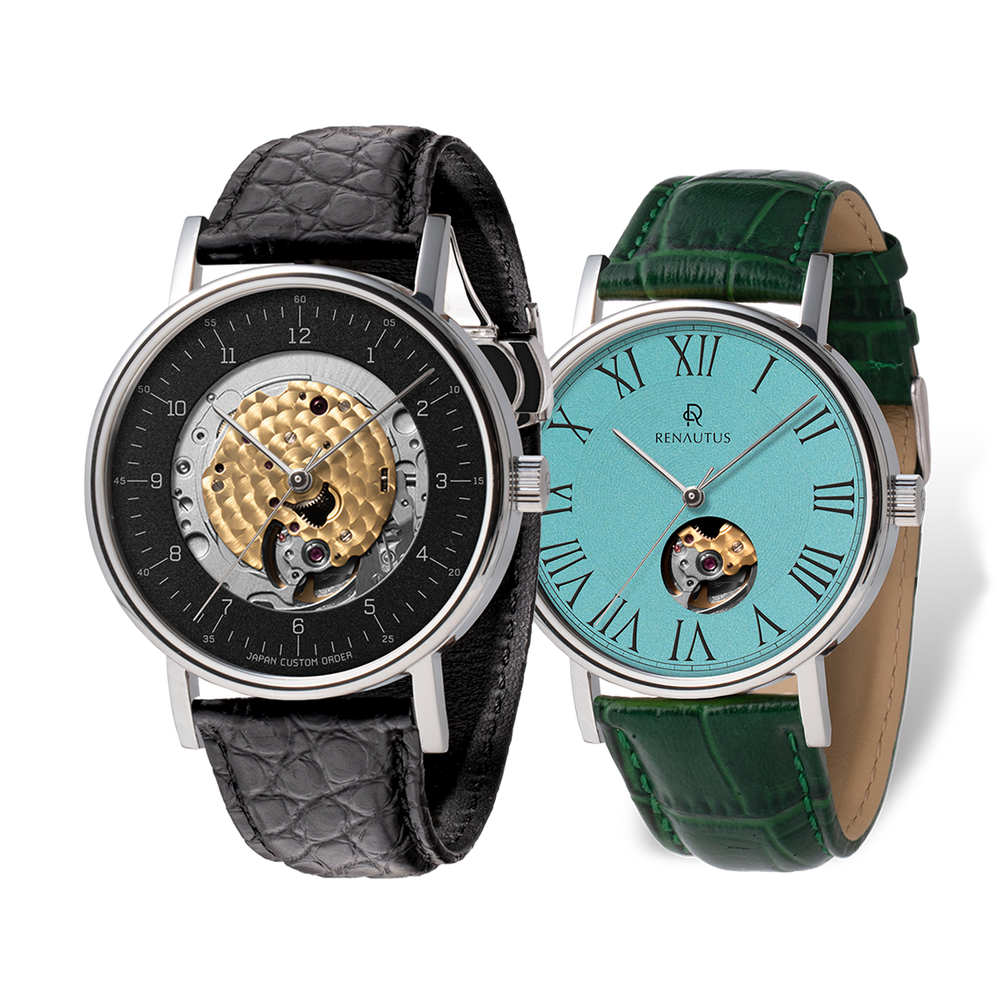
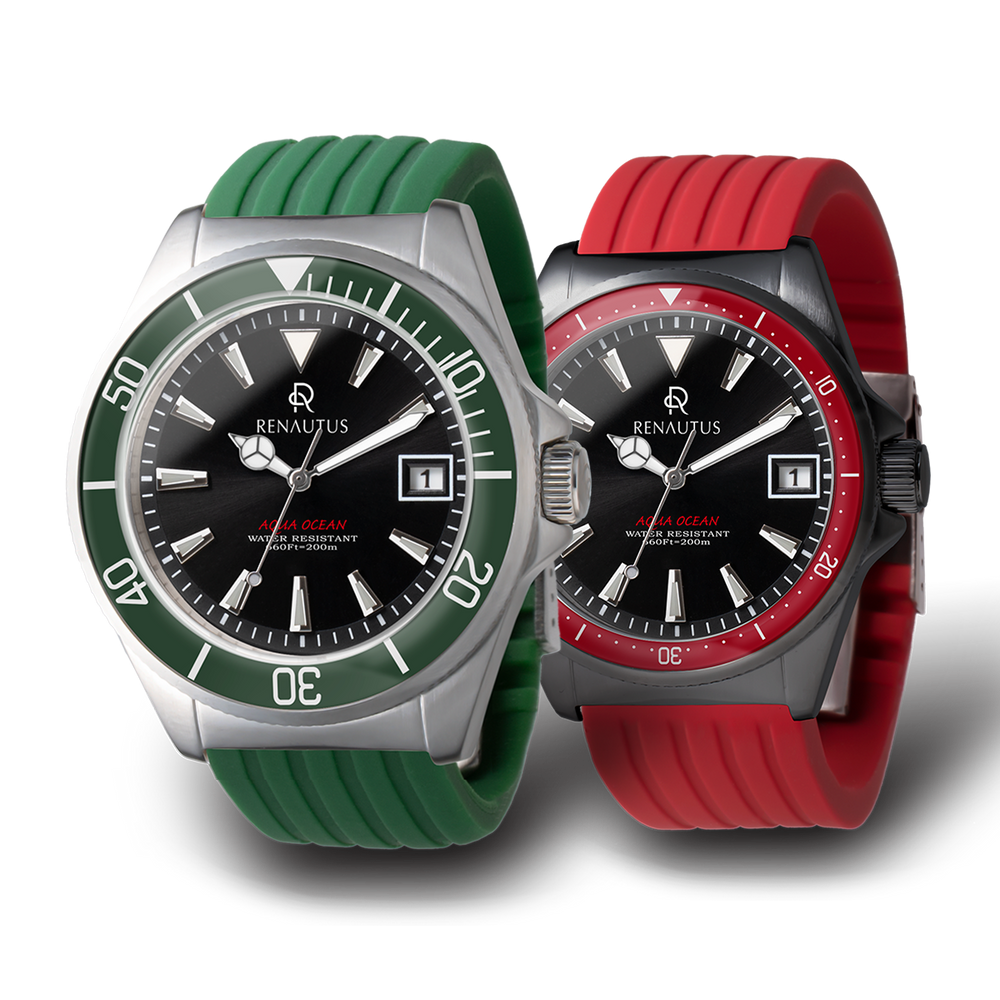
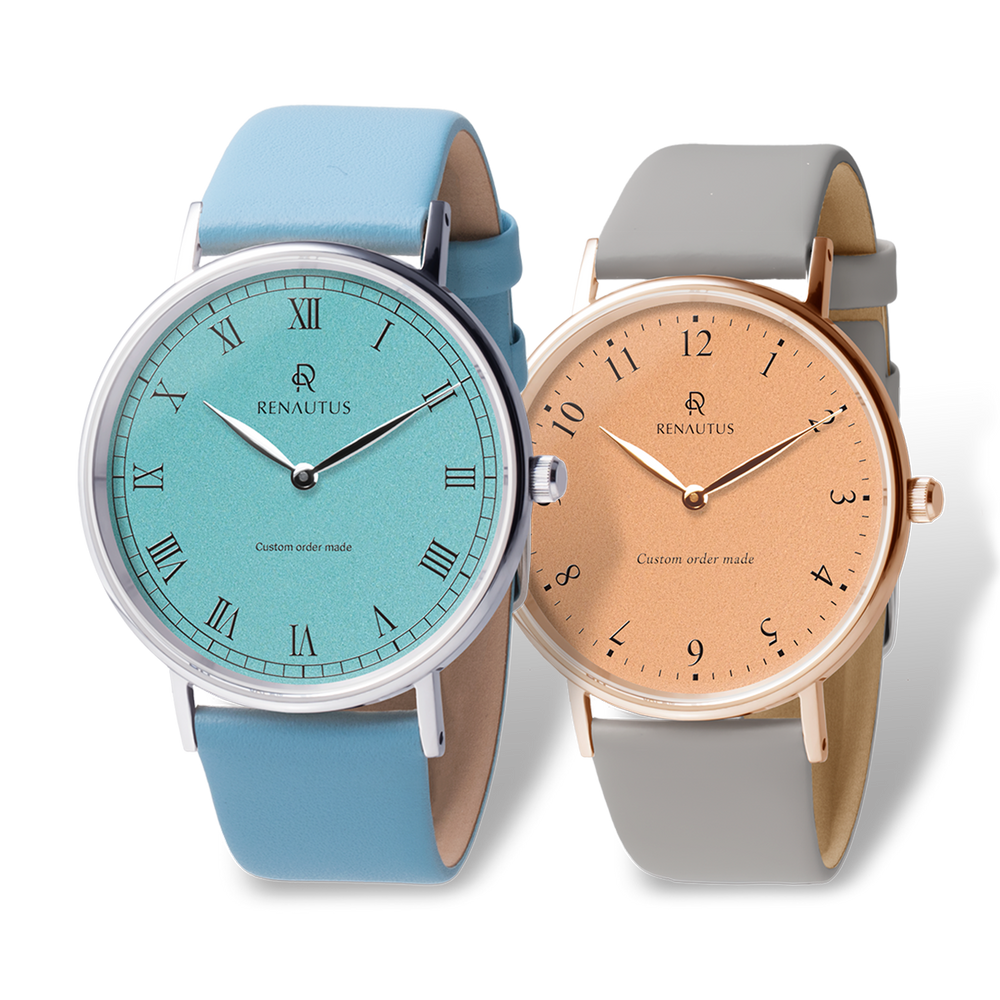
Renautus offers custom-order automatic watches where you can design the dial, hands, and strap.
The Standard Automatic 38 is a model equipped with the Japanese-made Caliber “MIYOTA 90S5” in a 38 mm case. The Classic Automatic 40 uses the Swiss-made “Sellita SW200-2” in a 40 mm case. For both, you can choose an engraving on the case back and a birthstone to create a one-of-a-kind watch.
Summary
- Automatic watches use a rotor that rotates with your arm’s movement to wind the mainspring.
- Stopping after being left off the wrist for one to two days is not a malfunction, but rather the mainspring having fully unwound.
- When it stops, wind the mainspring → confirm it has started moving → set the time and date.
- Avoid advancing the date between around 9 p.m. and 3 a.m.
- Avoid magnets and strong impacts, and have it inspected every few years.
Starting November 21, there will be a three-day weekend including Labor Thanksgiving Day. Why not take advantage of a little free time on your holiday to wind the mainspring of your stopped watch and enjoy the moment it comes to life on your wrist?