The Power of the Mystical Stone “Malachite” and Its History as an Ornament

What is Malachite?
Malachite is a stone with deep green colors and distinctive banding. When polished, it reveals agate-like bands or concentric patterns. Because its patterns resemble peacock feathers, it is known in Japan as peacock stone. It is often found in large masses in copper deposits, and because it takes on a lustrous shine when polished, it is used for jewelry, ornaments, and interior décor.
In ancient Egypt, it is said to have been used as a pigment and gemstone, and it has been loved by people for generations.
Properties of Malachite
Diversity of Color:
Malachite is a copper-bearing mineral, and its range of colors is primarily within the green spectrum. Generally, malachite varies from bright green to deep green, and sometimes to a green so dark it is almost black. These color variations depend on the copper content within the mineral and the environmental conditions during its formation.
Malachite’s distinctive patterns can include bands, wavy lines, or concentric circles, all of which are accentuated by the depth of color. These patterns are formed as copper deposits at different rates during the mineral’s growth.
Malachite is also frequently found with azurite. This combination is known as azurite-malachite and is characterized by a striking contrast between blue and green. The combination of azurite’s blue and malachite’s green further highlights the diversity of color.
Hardness:
Malachite has a Mohs hardness of approximately 3.5 to 4. Because it is relatively soft, it is prone to scratching.
Crystal Structure:
Malachite is generally found as fibrous or radiating aggregates, and its layered structure can create wavy or concentric patterns.
The Appeal of Malachite
Malachite is a beautiful mineral characterized by its vibrant green bands and distinctive patterns, and it has captivated people from ancient times to the present day. Malachite’s appeal extends beyond its beauty, with various properties that make this mineral truly special.
Rich Colors and Patterns:
True to its name, malachite comes in a rich range of shades from deep to bright green. It is also distinguished by unique, naturally occurring patterns that resemble works of art, including concentric circles, wavy lines, and bands.
Historical and Cultural Background:
Malachite has been used as an ornament and amulet for protection since ancient Egypt. Russian emperors also admired malachite and used it to decorate palaces and create works of art. This rich history and cultural background add to malachite’s appeal.
Symbol of Healing and Protection:
Malachite is said to possess the power to bring about change, protection, and healing. This stone is believed to help restore emotional balance and may be used to protect against negative energy and heal emotional wounds.
Applications in Art and Crafts:
Due to its beauty, malachite is used as a material for a variety of artworks and crafts, including jewelry, ornaments, marquetry for fine furniture, and sculptures. Items made from this stone possess a distinctive charm and a luxurious feel.
Collector’s Item:
Thanks to its unique beauty and mineral properties, malachite is a valuable collector’s item for mineral collectors and nature enthusiasts. Variations in color and pattern depending on the place of origin add to the diversity and appeal of any collection.
These characteristics of malachite leave a lasting impression on all who see it, attracting many mineral enthusiasts and art collectors. Its unique natural beauty, along with the history and legends surrounding it, gives malachite its timeless appeal.
History as an Ornament
Malachite has been highly valued since ancient times for its vibrant green color and distinctive patterns, and it has a long history as a material for ornaments, jewelry, and artworks. Malachite’s history as an ornament can be divided into major periods and uses.
Ancient Egypt:
Malachite was mined as early as around 4000 BCE. It was believed not only to be beautiful but also to possess the power to protect and heal, and it was used as an amulet, for tomb decorations, and as a raw material for cosmetics.
Ancient Greece and Rome:
Malachite was popular as an ornament and gemstone. In these cultures, malachite was also crushed and used as a pigment.
Medieval Europe:
Malachite was highly prized as a material for religious items and jewelry. It was often used for reliquaries and church decorations.
Russian Malachite:
From the 18th to the 19th century, large quantities of malachite were discovered in Russia’s Ural Mountains, making Russia a major source of the mineral. During this period, Russia saw a vogue for lavish furniture and interior décor made from malachite, and Russian imperial palaces were also adorned with malachite. The Malachite Room in the Hermitage Museum in Saint Petersburg is particularly famous.
From the 19th Century to the Present:
In the 19th century, malachite became widely popular in Europe and America as a material for jewelry and ornaments. Thanks to its attractive appearance, it has been used to make a variety of jewelry, including brooches, necklaces, and rings. It has also been used for small sculptures and figurines, as well as marquetry for fine furniture.
Malachite’s history as an ornament shows that its beauty and unique properties have been embraced across cultures. Even today, malachite continues to captivate people with its distinctive colors and patterns, and it remains highly popular as a material for ornaments and jewelry, as well as a collector’s item.

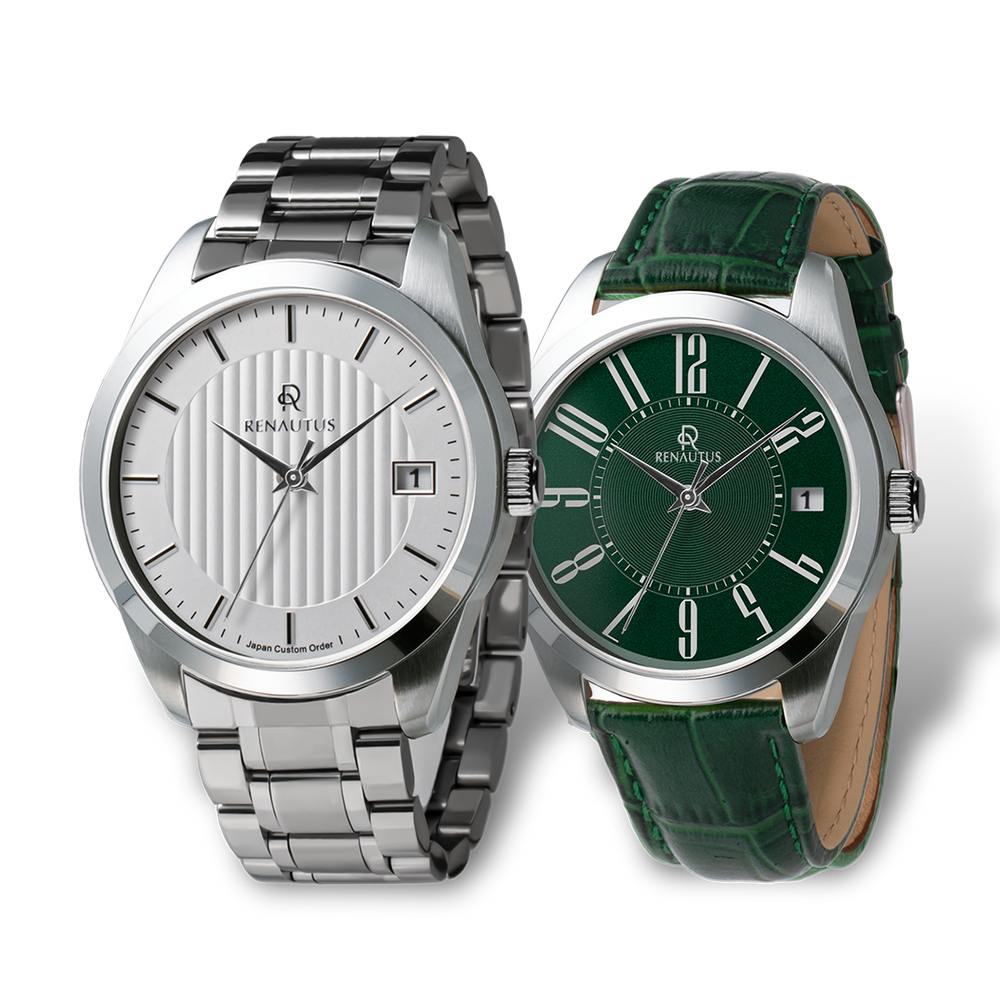
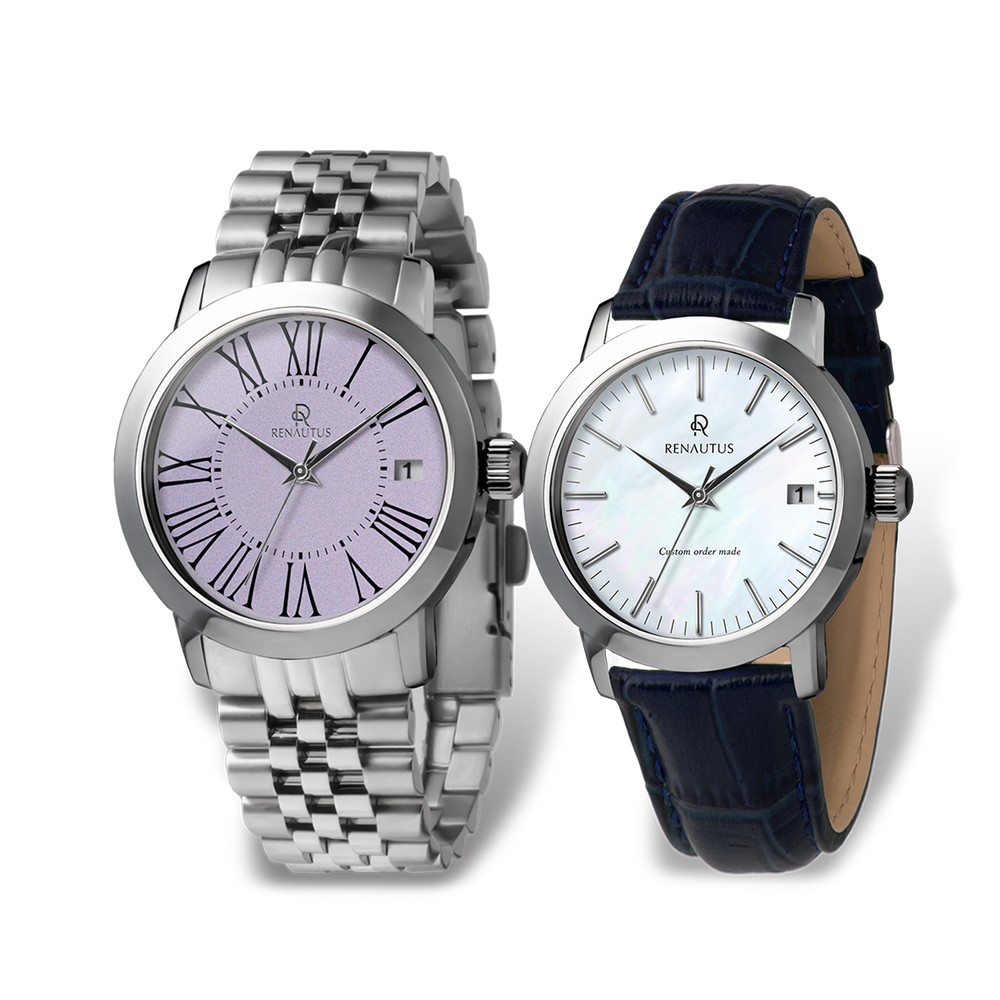
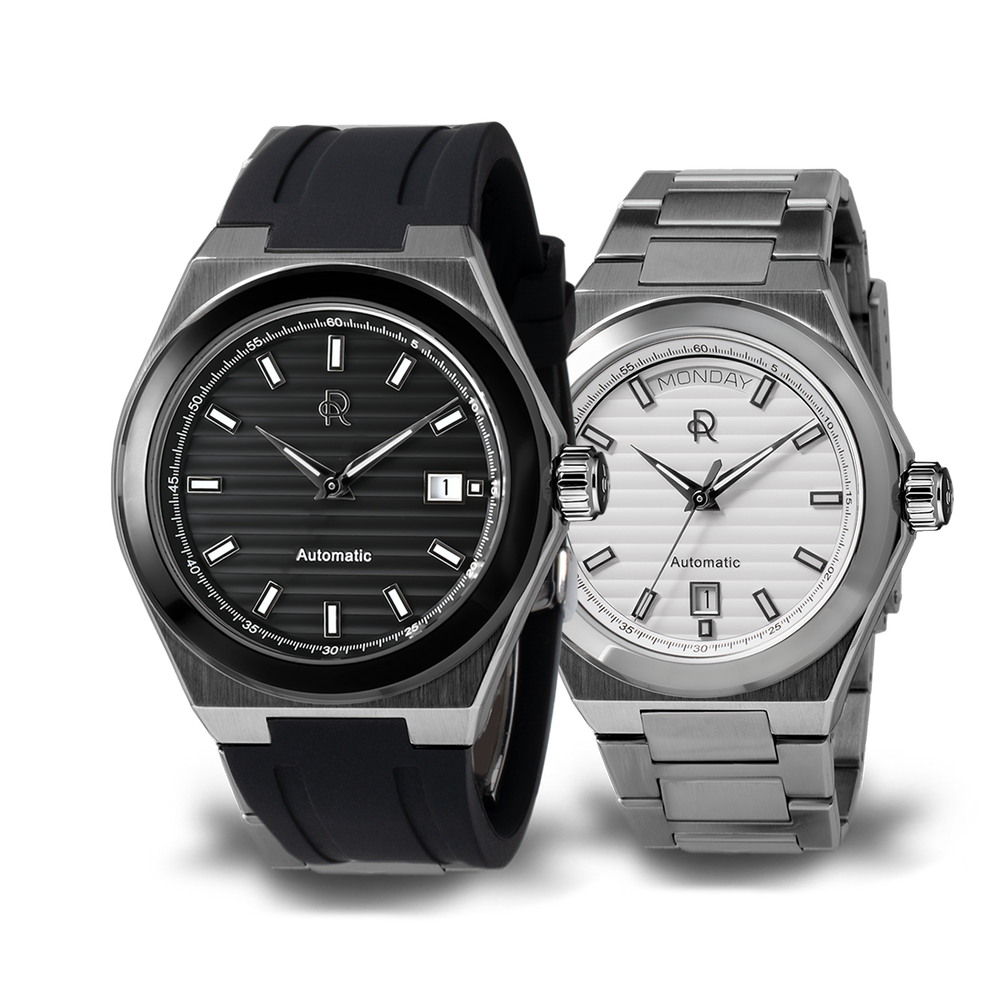
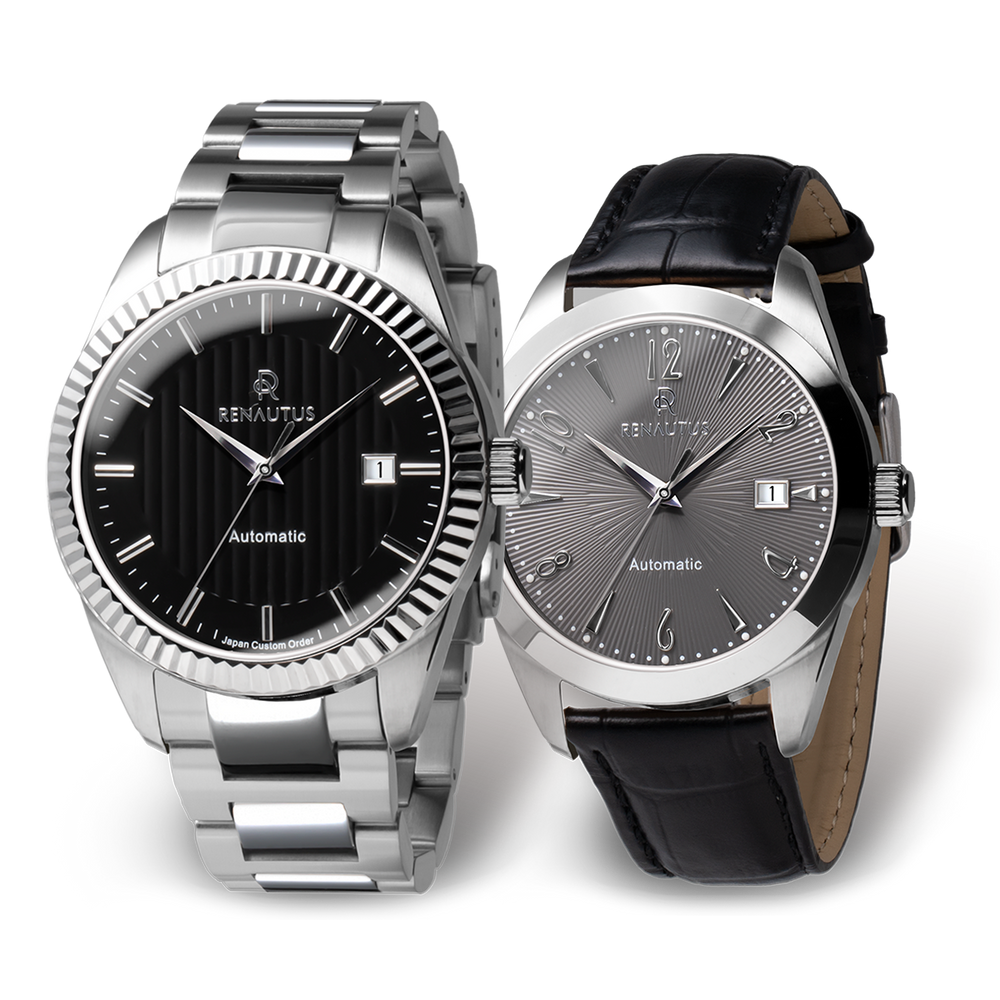
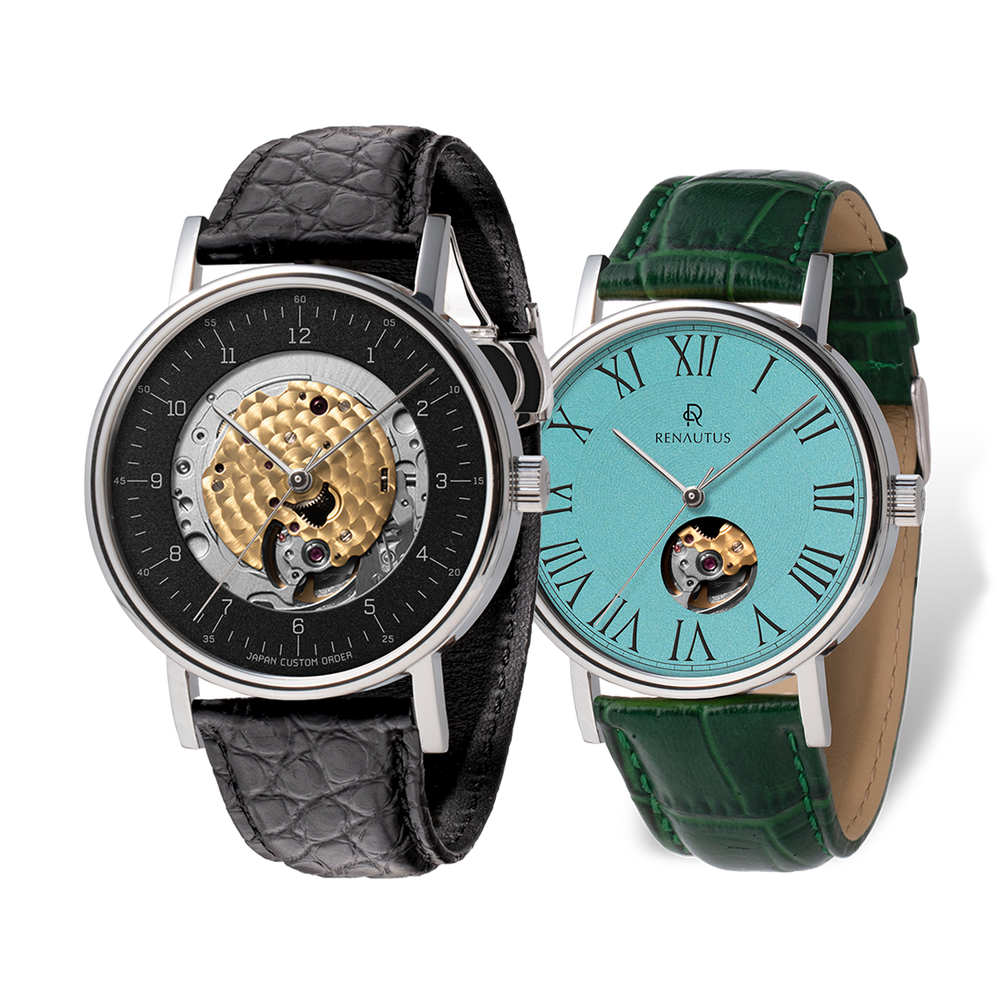
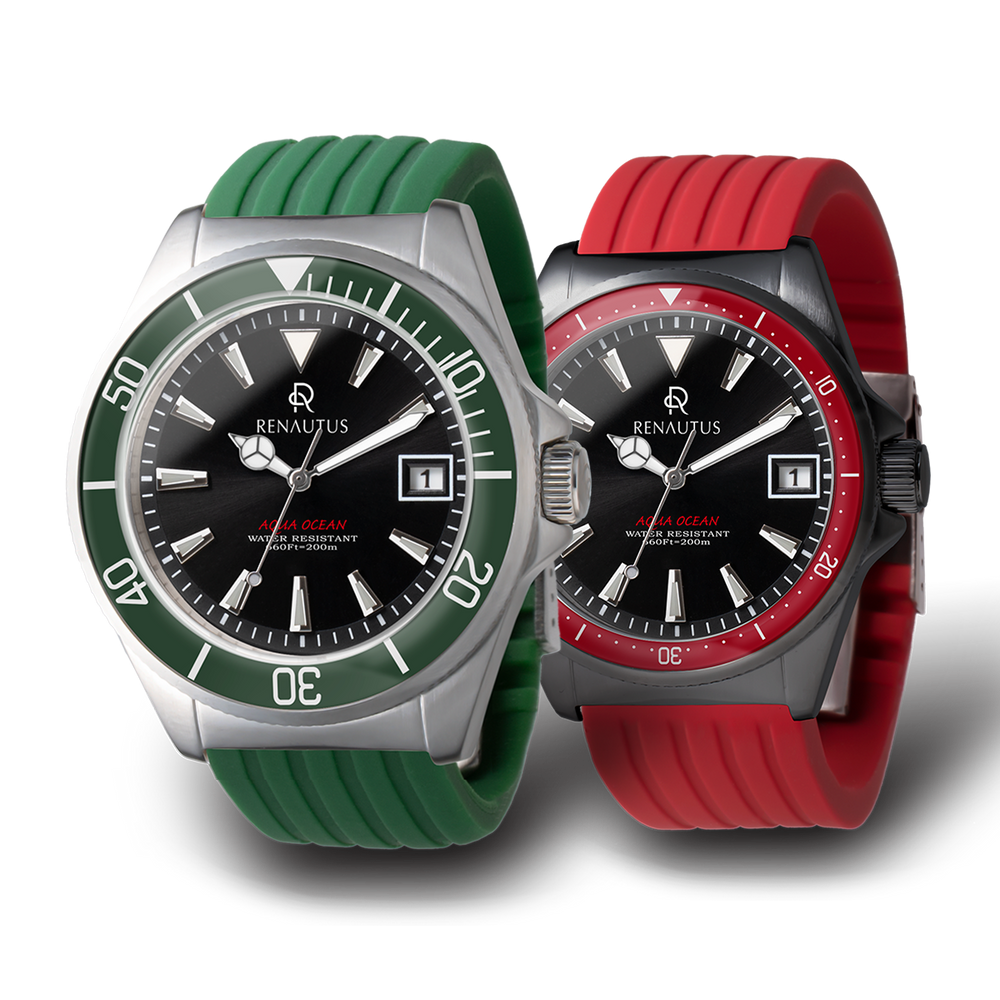
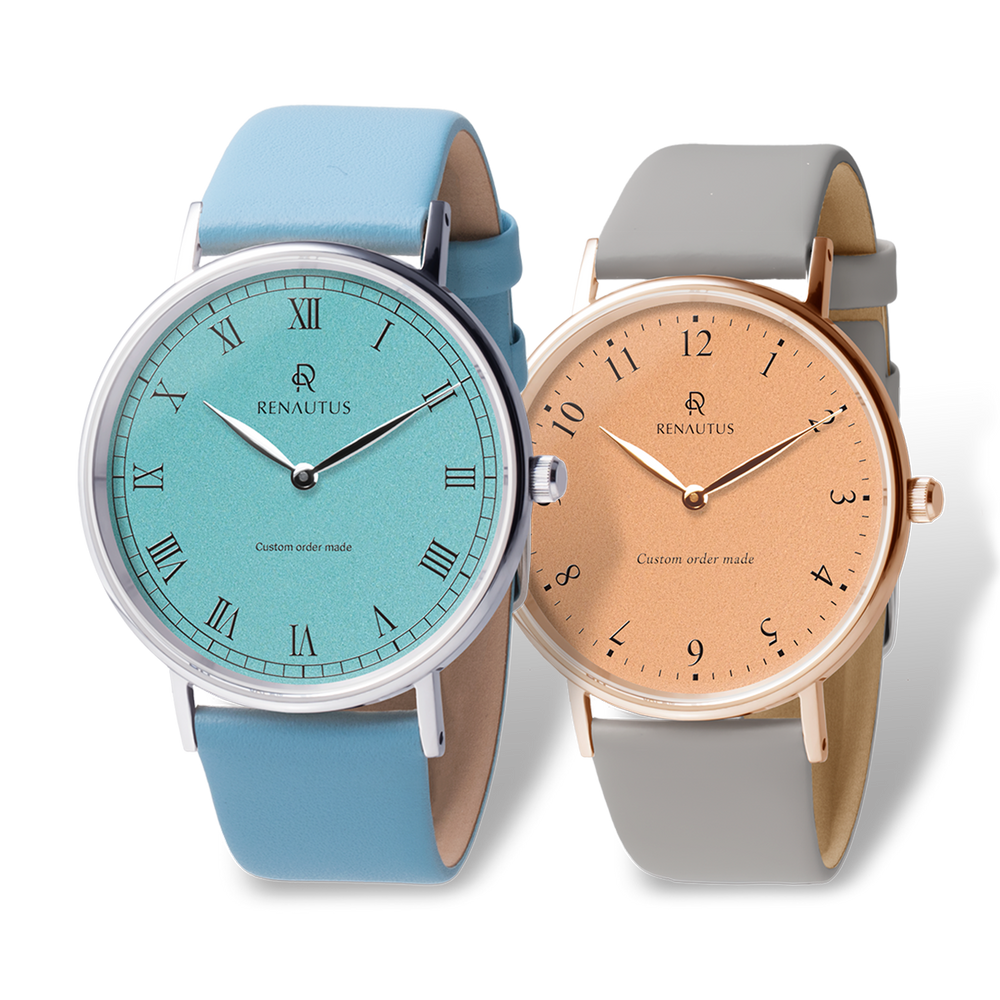
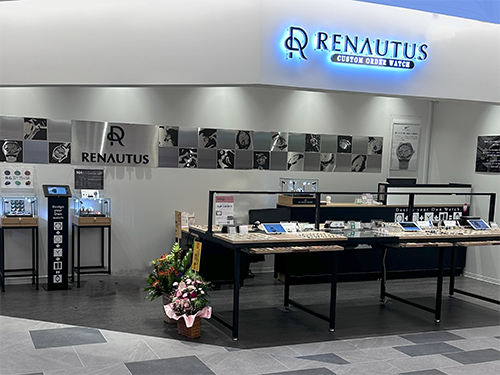
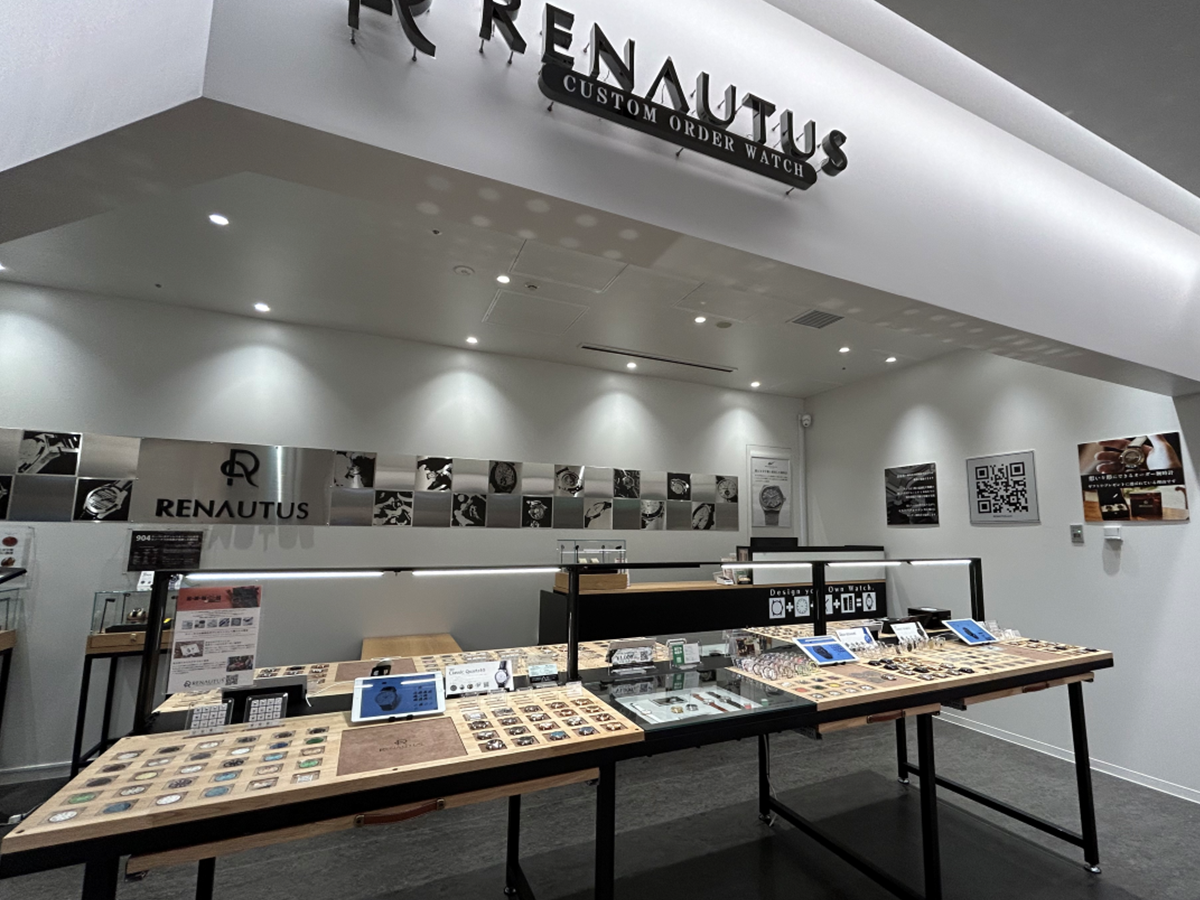
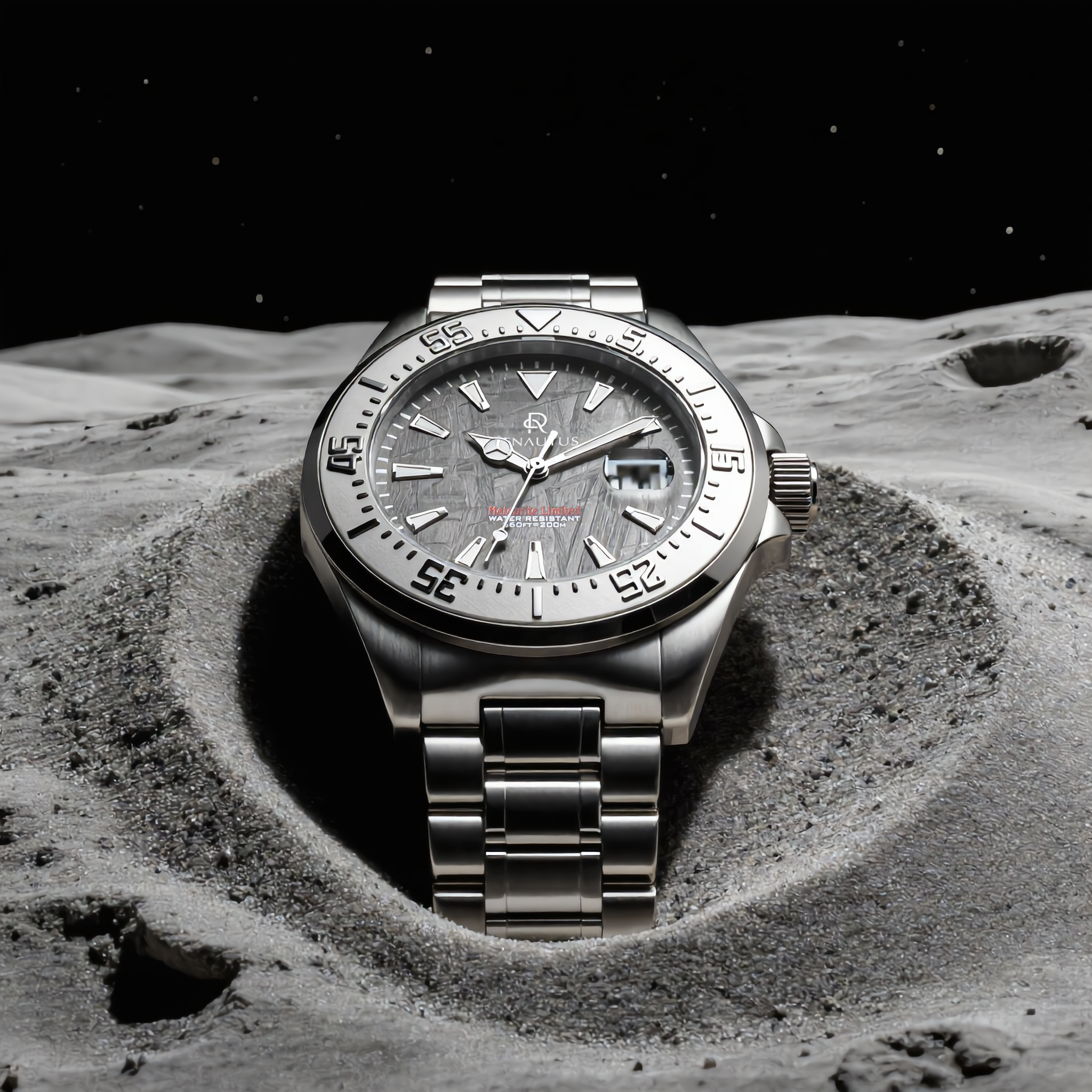
The Malachite Limited, newly released by custom-order watchmaker Renautus, allows you to enjoy the luxury of wearing a deep green, lustrous finish created by thinly cutting and polishing malachite.
 Malachite Limited Automatic 40 (mechanical watch)
 Malachite Limited Quartz 40 (battery-powered watch)
 Malachite Limited Quartz 34 (battery-powered watch)