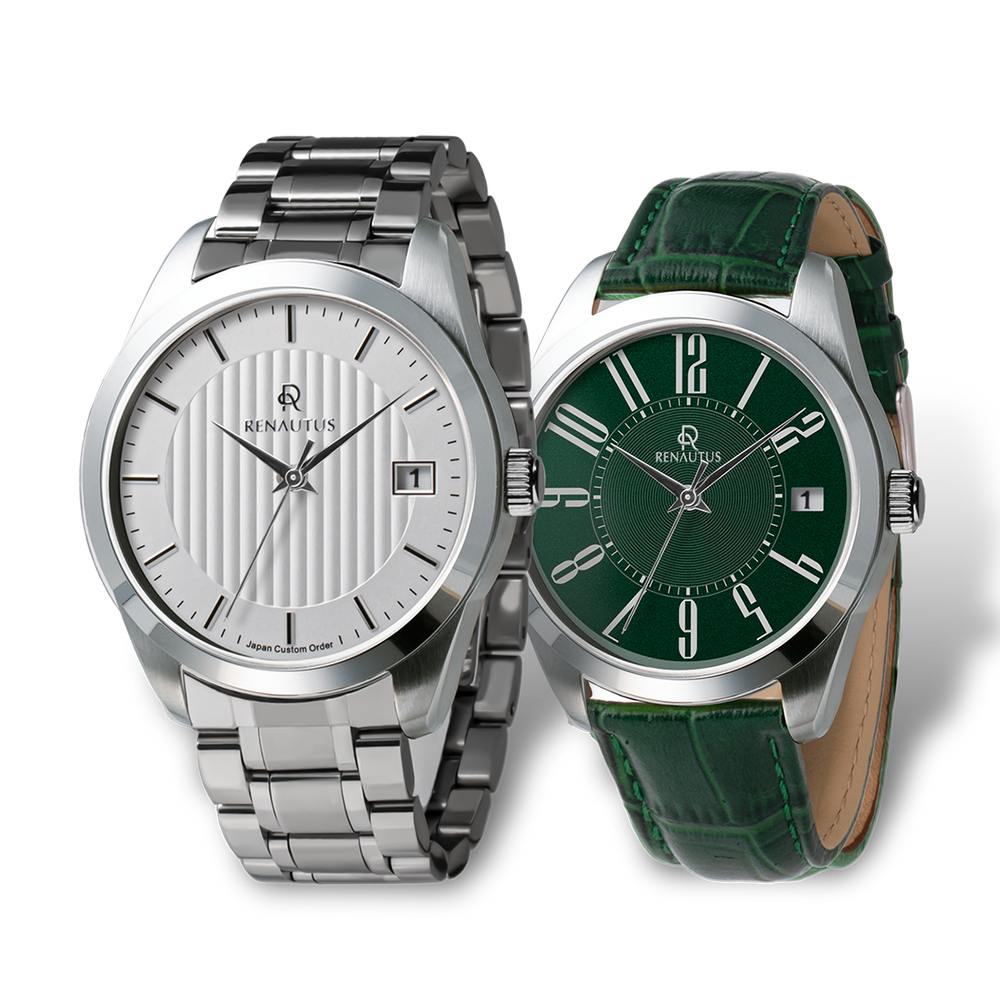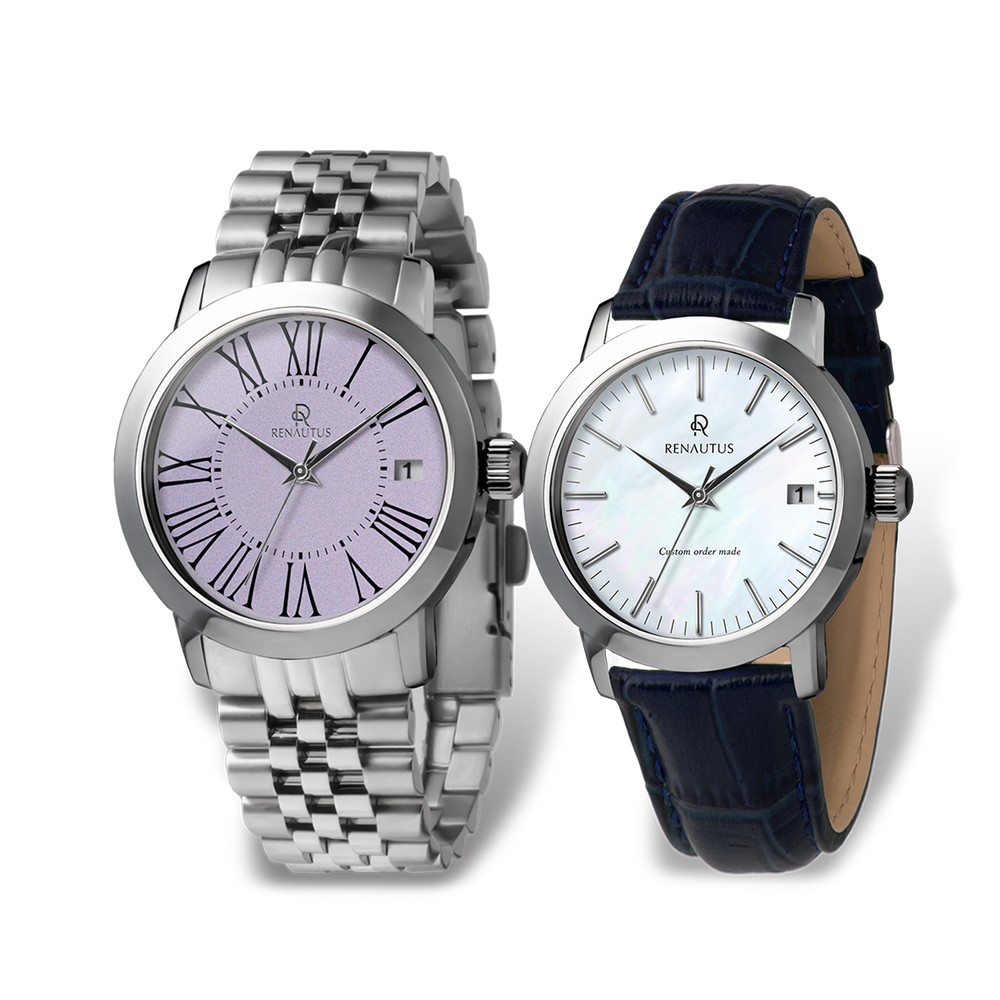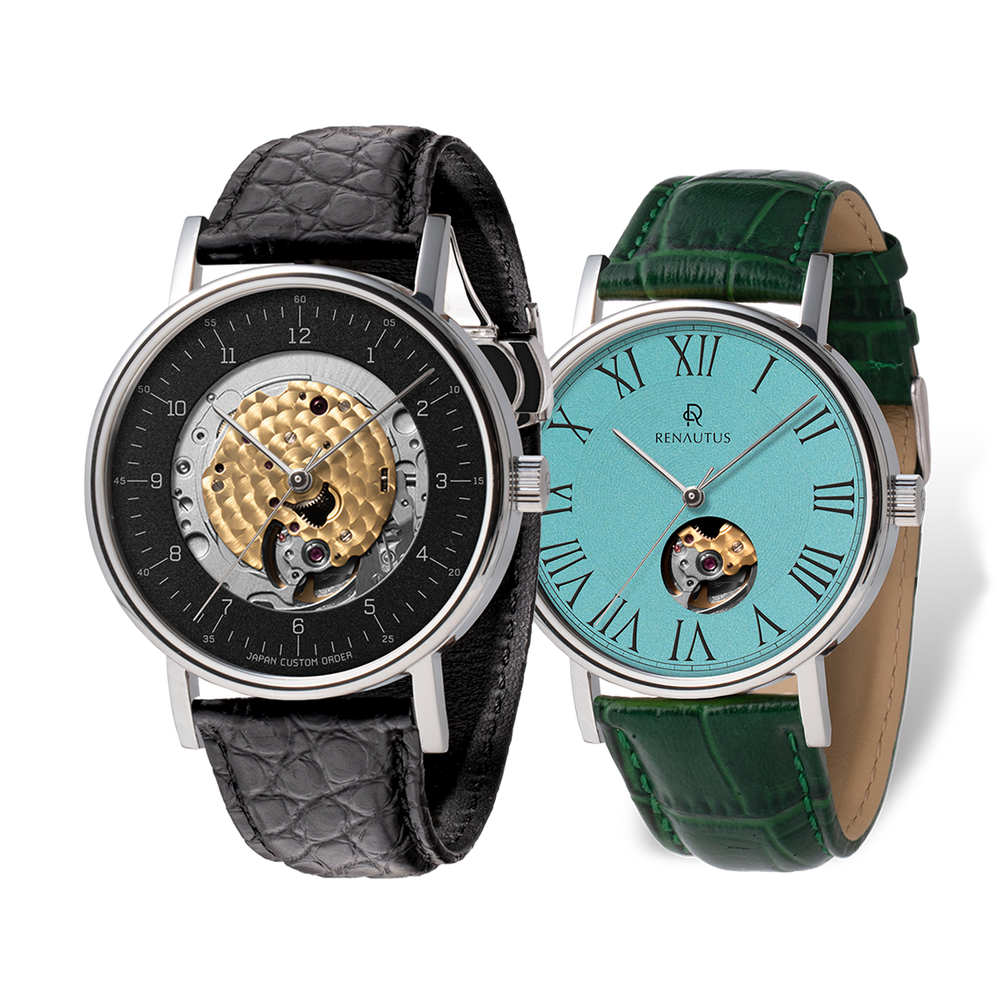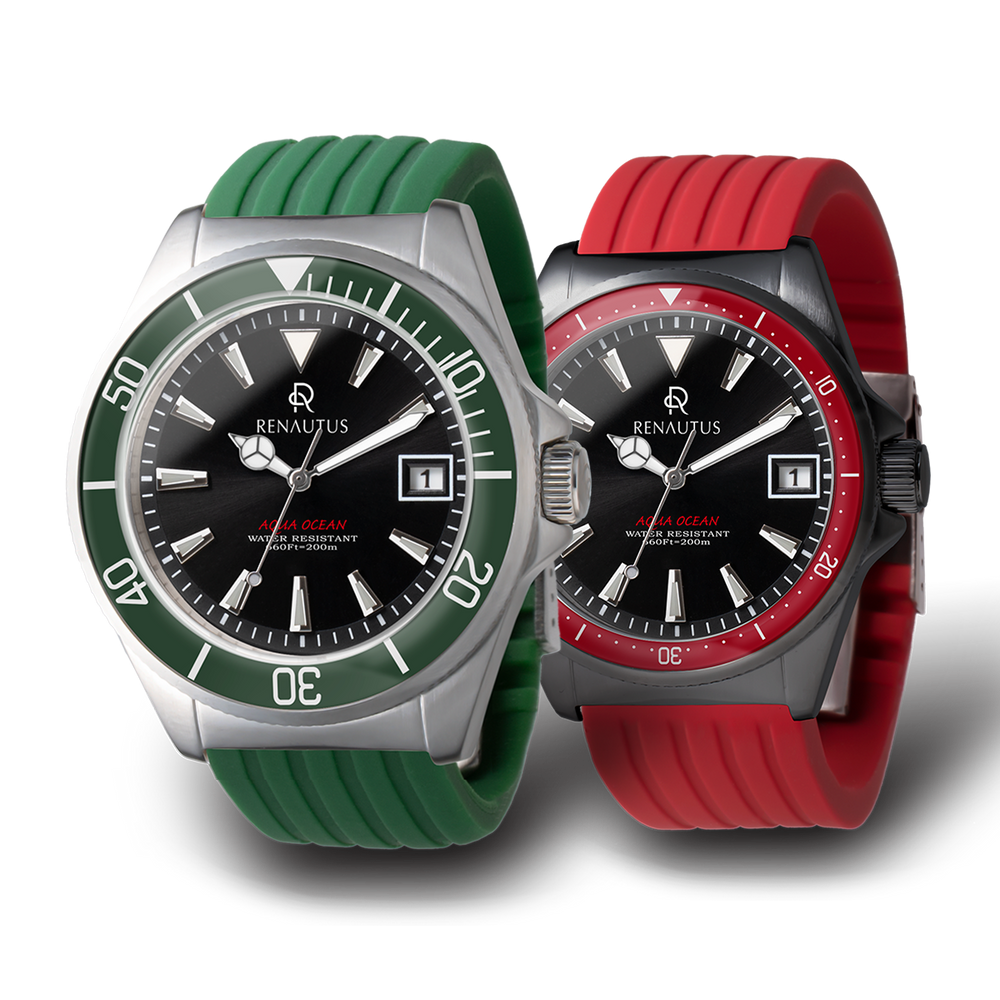


Family crests, which are crests representing the families of Sengoku-period warlords

A family crest is an emblem representing a family, and each family has passed its own down through generations. In recent years, as traditional ceremonies and occasions such as weddings and funerals have become simpler, an increasing number of people do not know their family crest. However, there are still those who wish to know their family crest at important milestones in life.
So, how can you learn the meaning of your family crest and how to find out what it is?
Family crests have a long history in Japan, and they can help you learn about your family lineage and roots.
Family crests are emblems passed down through generations within each family
A family crest is an emblem passed down through generations, used to represent a family's lineage, status, and standing.
Around the end of the Heian period, court nobles began adding unique family designs to their oxcarts and other items so they could be identified at a glance, which is considered to be the origin of family crests. Some court nobles' family crests were based on the patterns of the kimonos they wore or the flowers they liked, giving them an elegant appearance.
How to find out your family crest
The easiest way to find out about your family crest is to ask a relative. However, even your relatives may not know. In that case, try checking your ancestors' gravestone for an engraved family crest. Family crests may also be on your family altar, so be sure to check there as well.
If you have a kimono with a family crest, check that as well. Even if you don't, you may be able to identify your family crest from a photo of relatives gathered for a wedding or funeral. However, keep in mind that if a married woman in your family wears a kimono with a family crest, it may be her maiden family's crest.
Family crests are very complex, and even those that look similar can have subtle differences in their designs.
If you find out what your family crest is, it is recommended that you take a photo of it and look up the name of its type. Most types can be searched for online.
If you research your family lineage and roots, you may even discover that one of your ancestors was a samurai warrior, which could be an interesting discovery.

When you hear the term "family crest," you may also think of samurai families during the Warring States period.
Developed for use by samurai families in battle
During the Kamakura period, it is said that family crests began to be placed on banners, camp curtains, helmets, and armor to distinguish allies from enemies in battle, and they gradually spread among samurai families. Although samurai families originally began using family crests as identifiers, they also gradually came to serve the purpose of boosting and uniting the morale of their troops. During the Edo period, commoners also began using family crests, and they became more widespread in general.
Some of the most well-known family crests you may often see include the Tokugawa family's "three-leaf hollyhock" and the Toyotomi family's "five-seven paulownia." Many people have probably seen family crests on the swords and armor of samurai who were active during the Warring States period.
The "three-leaf hollyhock crest" is the symbol of the Tokugawa family

The "three-leaf hollyhock crest" has been used since Tokugawa Ieyasu was the lord of Okazaki Castle in Mikawa Province (now eastern Aichi Prefecture), and it was adopted as a family crest even before he became the ruler of Japan.
The design features three hollyhock leaves with veins drawn on them, arranged in a balanced manner. There are slight differences in the design used by the successive shoguns of the Edo shogunate, the "three Tokugawa families," and the various "Matsudaira families" from which Tokugawa Ieyasu descended. Over time, the veins also became more detailed, and the shape of the stem changed.
The "five-seven paulownia crest" is the symbol of the Toyotomi family

The paulownia crest is an emblem featuring stylized paulownia leaves and flowers, and its basic form depicts three paulownia flowers on top of paulownia leaves. There are many variations in how the leaves and petals are drawn. Oda Nobunaga's paulownia crest was a "five-three paulownia crest," with the central flower having five petals and the flowers on the left and right having three petals each.
Today, the Cabinet Office and other organizations use the "five-seven paulownia crest," with the central flower having seven petals and the flowers on the left and right having five petals each.
The paulownia is considered a sacred plant in China, said to be the tree where the phoenix, a legendary mythical bird, rests. For this reason, the paulownia crest was treated as a high-ranking family crest and was used as one of the imperial family crests alongside the chrysanthemum crest until the Kamakura period.
The "bellflower crest" is the symbol of the Akechi family

The bellflower crest is a family crest featuring stylized flowers, leaves, and stems of the bellflower, a perennial plant in the Campanulaceae family.
The kanji for "bellflower" can be broken down into "tree," "good fortune," "tree," and "more." This can be read as "even more good fortune," and because it is considered auspicious, it was used by many samurai, including Akechi Mitsuhide, Ota Dōkan, and Kato Kiyomasa.
The meaning of using a family crest
Family crests were originally used by aristocrats and others as early as the Nara period to decorate furnishings, but they began to take on their own meaning during the Heian period. In the Nara period, family crests were "motifs used for decoration," but they gradually came to be recognized as "identifiers that indicate a family."
Today, family crests are required on formal attire such as tomesode kimonos and mourning clothes, and they are used primarily as important symbols of one's family lineage.
However, it would be a waste to use a carefully preserved family crest only on formal attire. Writing your name on an item can help identify it if you lose it, but if you are reluctant to write your name, adding a family crest is another idea.
Why not incorporate traditional Japanese designs into your fashion by adding your own family crest or the crest of your favorite samurai warrior to your important belongings?

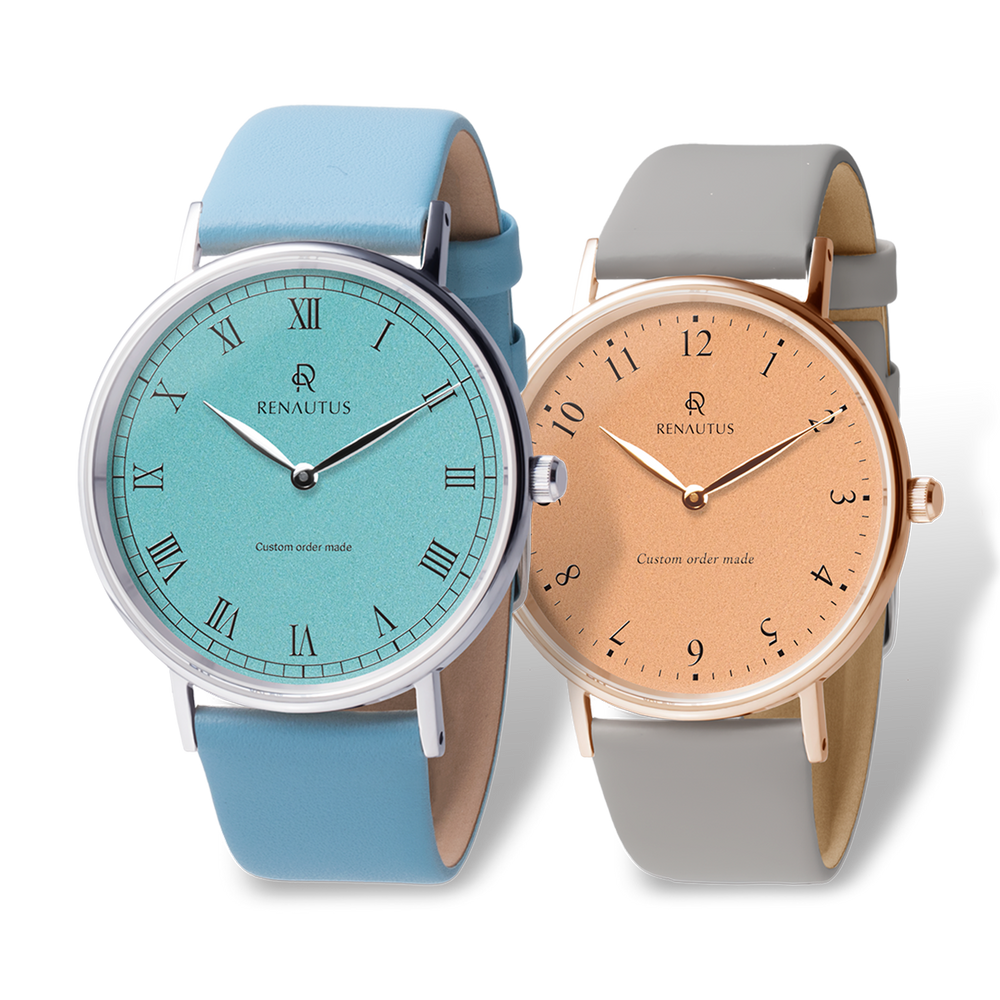
Purchase a family crest watch or learn more
Custom models are available here
[sp_wpcarousel id="48194"]